
For years, Sarah thought being tired was just part of adulthood.
She woke up exhausted, struggled through work meetings, depended on multiple cups of coffee, and often nodded off while watching television. Her husband complained about loud snoring and noticed frightening pauses in her breathing during the night. Still, she brushed it off.
“Everyone’s tired,” she told herself. But deep down, she knew something wasn’t right.
The Breaking Point
One afternoon, Sarah caught herself drifting off at a stoplight on her drive home.
That moment scared her enough to schedule an appointment with her healthcare provider. After discussing her symptoms, loud snoring, morning headaches, daytime fatigue, and poor concentration, she completed a sleep study.
The Diagnosis: Obstructive Sleep Apnea (OSA)
OSA is a common sleep disorder where the airway repeatedly becomes blocked during sleep, causing breathing interruptions and fragmented sleep. These interruptions can happen dozens, sometimes hundreds, of times per night. Untreated sleep apnea has been linked to high blood pressure, cardiovascular disease, mood changes, impaired concentration, and excessive daytime sleepiness.
Sarah’s provider recommended Continuous Positive Airway Pressure (CPAP) therapy.
“I Don’t Think I Can Sleep Wearing This”
When Sarah first saw her CPAP machine, she felt overwhelmed. A mask? Tubing? Pressurized air? Her first few nights were challenging. The mask felt awkward. The airflow felt unfamiliar. She questioned whether treatment was worth the hassle.
Many new CPAP users share these frustrations. Adapting to therapy can take time, and early discomfort is one of the most common barriers to treatment adherence. Instead of giving up, Sarah worked with her sleep team to make adjustments:
- Trying a different mask style
- Adjusting humidity settings
- Wearing the mask for short periods before bedtime
- Practicing patience during the adjustment period
Little by little, things improved.
The First Signs of Change
After several weeks of consistent use, Sarah noticed something surprising. She woke up without hitting snooze five times. Her morning headaches became less frequent. She could focus better at work. Her afternoon energy crashes began to disappear. The biggest change? She no longer felt like she was surviving the day.
Research supports these experiences. CPAP therapy has been shown to reduce daytime sleepiness, improve quality of life, and enhance daily functioning in people with obstructive sleep apnea.
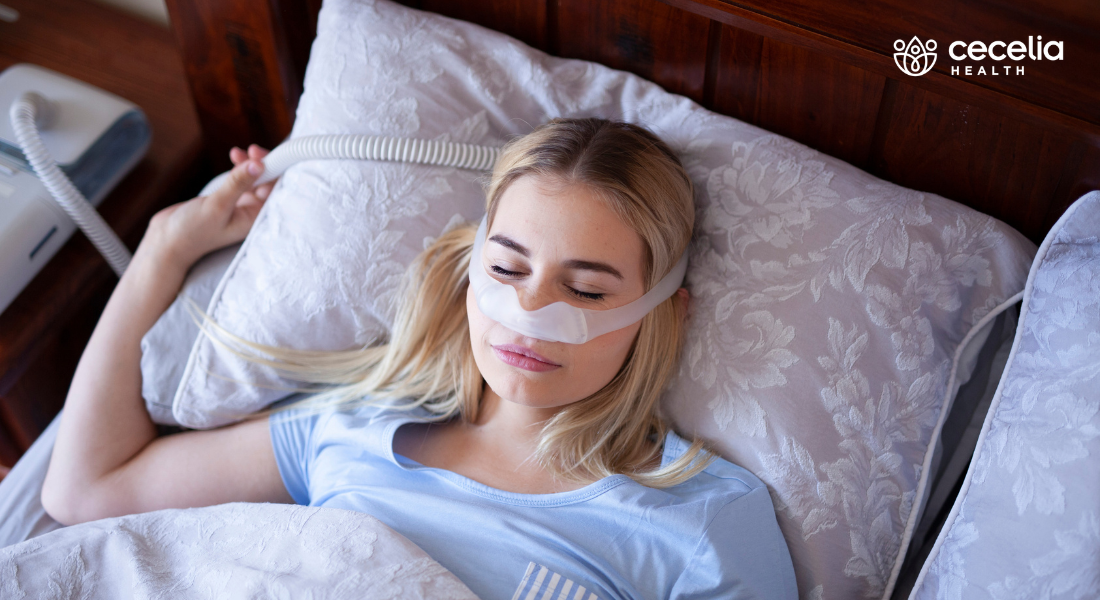
From Fatigue to Feeling Like Herself Again
Three months later, Sarah’s family noticed the difference before she did. “You seem happier,” her daughter told her. Her husband noticed that it was quieter nights. Her coworkers noticed an improvement in her focus and energy. Sarah started walking in the evenings again, something she had not felt motivated to do in years. CPAP did not magically transform her overnight, but it gave her something she hadn’t realized she had been missing:
Restorative sleep.
Studies have found that regular CPAP use can improve sleep quality, mood, daytime alertness, and overall well-being, especially when therapy is used consistently.
Lessons from Sarah’s CPAP Journey
Sarah’s story highlights important reminders for people beginning CPAP therapy:
Adjustment Takes Time
The first few nights may not be perfect. Many people need days or weeks to become comfortable.
Comfort Matters
Mask fit, humidity settings, and machine adjustments can significantly improve the experience.
Consistency Is Key
Using CPAP regularly gives your body the opportunity to recover from chronic sleep disruption.
Ask for Help
Sleep specialists, respiratory therapists, and equipment providers can troubleshoot problems and improve comfort.
Could Your Exhaustion Be More Than “Just Being Tired”?
Persistent fatigue is not something you have to simply accept.
If you experience symptoms such as:
- Loud snoring
- Witnessed pauses in breathing
- Morning headaches
- Excessive daytime sleepiness
- Trouble concentrating
- Irritability or mood changes
It may be worth discussing sleep apnea screening with your healthcare provider. For many people, CPAP therapy is not just about quieter sleep; it is about reclaiming energy, health, and quality of life. Sarah went from exhausted to energized. And her story is one that many sleep apnea patients may recognize.