
Starting treatment for Obstructive Sleep Apnea (OSA) often means getting used to a CPAP (continuous positive airway pressure) or BiPAP (bilevel positive airway pressure) machine. For many patients, these devices can feel unfamiliar. First the mask, the airflow, the sounds, and the nightly routine can all take time to adjust to.
The good news is that once you understand how your machine works and how it supports your breathing, it becomes much easier to use consistently. And consistent use is the key to better sleep, more energy, and improved long-term health. Let’s walk through what your OSA machine does, how to get comfortable with it, and how to make it part of your nightly routine.
What Your OSA Machine Actually Does
A CPAP or BiPAP machine keeps your airway open while you sleep by delivering a gentle stream of pressurized air through a mask. This helps:
- Prevent airway collapse
- Reduce snoring
- Improve oxygen levels
- Support deeper sleep cycles
- Reduce morning headaches and daytime fatigue
Many patients notice better sleep within weeks of adjusting to the machine.
Understanding the Parts of Your Machine
Getting familiar with each component can make the device feel less intimidating and more like a friendly robot.
The Machine Unit
This small device generates airflow and controls pressure settings. Many modern machines automatically adjust pressure in response to your breathing.
The Mask
Masks come in several styles:
- Nasal masks (cover the nose)
- Nasal pillows (sit at the nostrils)
- Full-face masks (cover nose and mouth)
Comfort is key, so if your mask doesn’t feel right, talk to your provider about alternatives.
The Tubing
The hose connects the machine to the mask and delivers airflow. Some models have heated tubing to reduce condensation and dryness.
The Humidifier
Most machines include a built-in humidifier that adds moisture to the air, helping reduce:
- Dry mouth
- Nasal irritation
- Congestion
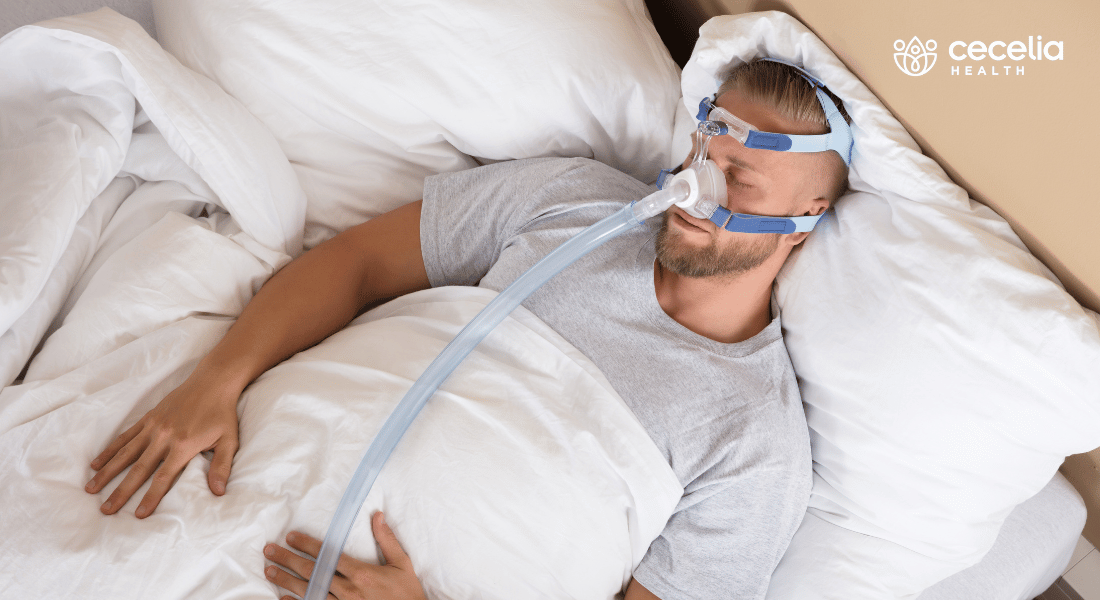
Tips for Getting Comfortable with Your Machine
Practice Wearing It Before Bed
Try wearing your mask for short periods while watching TV or reading. This helps your brain adjust to the sensation of airflow without the pressure of trying to sleep.
Make Small Adjustments for Comfort
If something feels off, don’t ignore it. Small changes can make a big difference:
- Adjust the mask straps
- Try a different cushion size
- Use mask liners if irritation occurs
- Increase humidifier settings if the air feels dry
Build a Consistent Night Routine
Using your machine every time you sleep helps your body adapt faster. Try:
- Putting the mask on before you feel exhausted
- Using the machine during naps
- Keeping the machine set up and ready each night
Consistency improves both comfort and treatment success.
Keep Your Equipment Clean
Regular cleaning prevents irritation, infection risk, and equipment problems. General guidance:
- Wash mask cushions daily
- Clean tubing weekly
- Empty and refill the humidifier with distilled water
- Follow the manufacturer’s instructions for complete cleaning
Clean equipment feels better and works better.
Track Your Progress
Many modern machines store sleep data or connect to mobile apps. These tools help:
- Show usage hours
- Track mask leaks
- Monitor breathing patterns
- Identify problems early
Seeing improvement can motivate you to keep using the device.
When to Call Your Provider
Contact your care team if you experience:
- Mask leaks that wake you up
- Skin irritation or pressure sores
- Persistent dry mouth or congestion
- Feeling like the pressure is too strong or too weak
- Continued daytime sleepiness
Your settings, mask, or equipment can often be adjusted to improve comfort and results.
Your OSA machine isn’t just a device; it’s a tool that protects your sleep, heart health, energy, and overall well-being. The more familiar you become with it, the more natural it will feel like part of your nightly routine. With time, patience, and proper support, many patients go from unsure to confident and finally start getting the restful sleep they’ve been missing.