
Skin care is projected to generate up to $177 billion during 2025. With so much “advice” available as advertising and TikTok videos, defining good skin care can be confusing. Let’s try to clear things up a bit.
Skin: Your body’s largest organ
Skin or dermis is the human body’s largest organ. While it extends from the top of your head to the tips of your fingers and toes, it performs critical functions supporting good health:
Protection and fluid balance
The skin protects the internal body from physical trauma, and environmental influences. It is the first defense against infections. Additionally, the skin prevents excess water loss and supports healthy hydration levels.
Temperature regulation and waste regulation
The skin regulates body temperature by constricting blood vessels to keep heat and dilates the blood vessels and releases sweat to cool the body. The sweat glands also allow the removal of some of the body’s wastewater, e.g., urea and ammonia (from protein breakdown and digestion).
Sensation
Nerve endings in the skin and epidermis (found under the skin) detect touch, pressure, and pain in addition to temperature. The sense of touch allows us to be aware of the surroundings and react accordingly.
Vitamin D
Sunlight stimulates the skin to make vitamin D. Vitamin D is important to bone health, muscle movement, nerve connections to the brain, and immune system function.
How do you wash your skin?
Yet as important as it is, most of us don’t really know how to take care of the skin beyond washing it — which sounds like a good place to begin.
First, you don’t have to shower or bathe every day. . . and parents everywhere just gasped and stopped reading. Especially during the winter when the air is dry, and you aren’t sweating much, you can occasionally skip a day every now and then. For most people, a shower or bath is the first step to feeling more confident during the day. So, what’s the best way to take a shower or bath?
Shower or bath
Dermatologists have no preference here. The average time to shower or bathe is about 8 – 10 minutes. Depending on the day’s activities, more than one shower may be desired. Here again, it’s up to the person taking the shower or bath.
Water temperature
Think Goldilocks . . . not too hot, not too cold . . . dermatologists recommend lukewarm to slightly warm water. You absolutely don’t want the water so hot it burns the skin – hot water tends to dry the skin more. Cold water isn’t going to hurt the skin, you just may not want to stay in the cold water long enough to get truly clean.
Get wet
In the shower do a quick rinse to wet the skin before applying soap. In the tub, you may want to remove some of the larger visible dirt before getting in the tub. This is like removing some of the dirt off clothes before going into the washer.
Cleanliness requires soap
The best soap is the best for your skin type (more on this later). This can be bar soap, liquid bodywash; plain soap, deodorant soap, or antibacterial soap; a “scrubbing” soap (has a scrubbing agent added) or a gentle soap — you need a soap. Starting at the top (neck and shoulders), work the soap all the way down the body to the toes. Yes, the legs, feet and in between the toes need to be “washed” with soap and water also. Be careful in the shower getting feet soapy as this could create a slipping hazard. A soapy washcloth or body scrubber can be great for gently exfoliating the skin (exfoliate – don’t abuse the skin). For the record, you can also apply the soap with your bare hands. Then rinse off the soap.
Hair care
If you’re washing your hair, now is a good time to begin making sure you focus on cleaning the scalp all the way to the nape of your neck and behind the ears. The best shampoo is the best for your hair type. Rinse to remove all shampoo. If you want to add a hair conditioner, the time is after all the shampoo has been removed.
Lock in skin moisture
After the shower or bath and before finishing the towel-dry, apply a moisturizer or cream (the one best for your skin type) allowing it to mix with the water still on the skin. Once again, the moisturizer can also create a slipping hazard if applied to the feet in the shower or tub — it’s best to apply the moisturizer to the feet while sitting outside the shower or tub. The moisturizer will put a barrier between the moisture in the skin and the outside world. After applying the moisturizer, finish towel-drying.
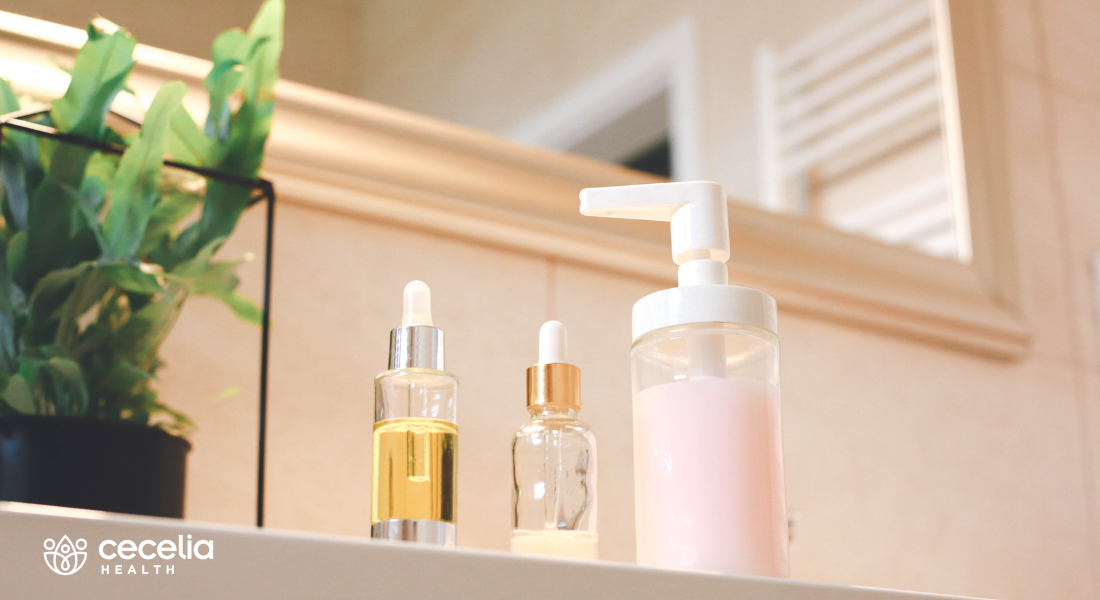
How to start a skincare routine
Skin care is a matter of cleaning the skin well enough to keep it clean and healthy. Face care is no different. While skin care products are varied and most of them do something, keeping skin and face care simple will more likely be something you can stick with vs a complicated regimen morning and night that can be expensive and frustrating.
Skin care really comes down to three things:
- Cleanse: clean skin tends to be healthy skin
- Treat: Select skin treatments according to skin needs. Is the skin oily, dry, acne-prone, sensitive, or a combination of skin types?
- Moisturize: Healthy skin is supple and smooth. Dry, cracked skin is subject to secondary infections and/or irritations. Moisturizers support healthy skin.
Skin care across the lifespan
Your 20s & 30s
Your 20s and 30s are largely about protecting the skin. It is also an ideal time to start a skin care routine and adopt healthy habits. Tips for healthy skin include:
- A daily face care regimen including a mild cleanser, skin treatment(s) to address greatest concerns, and moisturizer(s) according to time of day, time of year, and specific to the correct body part (face, eye, hands, feet, etc.)
- Practice healthy behaviors such as not smoking, minimizing stress, eating a healthy diet, receiving adequate rest, being physically active, and protecting the skin with sunscreen (SPF 30 or higher).
- Practice good foot care. This includes daily foot cleansing, nail care, and moisturizing (while avoiding excessive moisture between toes). Proper footwear and regular foot inspections for cuts, callouses, or other problems. Consult a podiatrist for any concerns or problems, including assistance with foot exams, nail trimming, and other treatments.
While social media may be a glimpse of the latest trend, your skin is not a trend. If unsure about which products to include in your routine, a board-certified dermatologist can recommend products, and a routine tailored to your specific needs.
Your 40s & 50s
Skin care in your 40s and 50s is largely about slowing down the clock on aging. Anti-aging skin care products help to address the fine lines and wrinkles beginning to show, but in addition to the prevention tasks of the twenties, skin care includes:
- Retaining skin’s firmness: Products with peptides help support collagen.
- Brightening the skin color: Vitamin C is the gold standard for this.
- Reducing skin cancer risk: Sunscreen SPF 30 or higher.
- Continue practicing good foot care. This includes everything mentioned before with an increased sensitivity to foot inspections for problems.
Once again, resist the temptation to follow the recommendations of social media. The 40s and 50s can introduce different skin care changes. The best resource for answers is a dermatologist. The American College of Dermatology want to help you select some of these products. The following link is just one of the resources you may find of value: How to select anti-aging skin care products.
Your 60s and beyond
The 60s and beyond are all about not drying up and monitoring for signs of unhealthy skin. As the skin becomes thinner with age, it loses water more easily. Additionally, many medications and/or medical conditions also affect skin integrity. Responding with the right skin care can improve how the skin feels — and looks. Tips for skin care include everything recommended up to this point with an emphasis on moisturizing the skin and monitoring for skin breakdown. Additionally, adding moisture to the air with a humidifier helps keep the skin from feeling dry and itchy. While the signs and symptoms of aging can’t always be avoided, there are tips to minimize their impact:
- Wear gloves when doing housework, cleaning, and/or gardening. Avoiding harsh chemicals and cleaning products can minimize skin irritations.
- Skin is thin and easily injured. Wearing clothing that offers more protection to the skin can be helpful. Long sleeves protect the arms, long pants protect the legs, and a wide brim hat can protect the face and neck.
- Advanced age translates into advanced risk of skin cancer. A skin disruption isn’t always bad news, but a dermatologist is the best to diagnose any skin concerns.
- Continue practicing good foot care. This includes everything mentioned before. As we age, there are many changes that affect foot care including:
- Less efficient blood circulation. Circulation can slow down in older adults, which can affect the feet and lead to issues like cold feet, numbness, and increased susceptibility to infections. Regular exercise like walking can improve circulation.
- Diabetes and other chronic health conditions make any health-related issue more complicated.
- Loss of fatty pads on bottom of feet. Loss of these fatty pads increases risk of pressure sores and foot pain.
- Skin integrity changes as the skin becomes thin and more fragile. Feet are more susceptible to irritation from poor fitting shoes or chemicals for feet self-help attempts, e.g., over-the-counter corn removal pads.
- Arthritis and vision impairment make routine activities more challenging. Small mishaps when younger become major issues with compromised circulation and complications of chronic illness.
Regardless of age, dermatologists want you to know:
- Avoid layering multiple products as small chemical reactions between products can irritate and damage the skin.
- Always evaluate a new product on the inner forearm for a few days before applying to a larger skin area. Even hypoallergenic products can sometimes cause a skin reaction.
- Don’t use products that sting, burn, or tingle. These are signs that the skin is irritated by these products. If using a prescription product, ask the dermatologist or pharmacists what to expect with its use.
- Follow directions and know that nothing works overnight. To see the full effects of a product requires a six-to-twelve-week trial.
- If you do nothing else, wear sunscreen.
Healthy skin is a sign of good health and wellness. If you aren’t seeing the results you were hoping for, go to a board-certified dermatologist. Remember: the best thing to wear today is healthy skin.