
It is recommended to avoid trans fats and saturated fats as part of a healthy diet, but there is an essential kind of fat that our bodies need called omega-3 fatty acids. They are necessary for our bodies to function properly, but the body cannot produce them adequately on its own. Omega-3s are found primarily in fish and seeds/nuts. They are crucial to infant and childhood development, heart health, and brain health, and they may help reduce the risk of other chronic diseases.
Main types of omega-3 fatty acids
- Alpha-linolenic acid (ALA)
- Eicosapentaenoic acid (EPA)
- Docosahexaenoic acid (DHA)
The body does not produce ALA but can convert small amounts of ALA into EPA and DHA. However, it is best to get most of one’s omega-3s through food. Let’s look at some ways to include more omega-3 rich foods in our diets.
Sources of omega-3s
Fish/seafood
Fish including salmon, tuna and sardines are excellent sources of omega-3s. The American Heart Association recommends eating fish at least twice a week as part of a healthy eating plan. (See below for some delicious salmon recipes!)
Nuts/seeds
Other food sources rich in omega-3s include flax seed and flax seed oil, chia seeds, canola oil and walnuts. Adding flax or chia seeds to a smoothie or using them to top a salad are great ways to get more of them in your diet.
Supplements
There are many supplements including multivitamins and fish oil that can provide additional omega-3s. It is always ideal to obtain our nutrients from food sources, but if you are interested in trying omega-3 supplements, make sure to talk with your healthcare provider first about if this is the right decision for you.
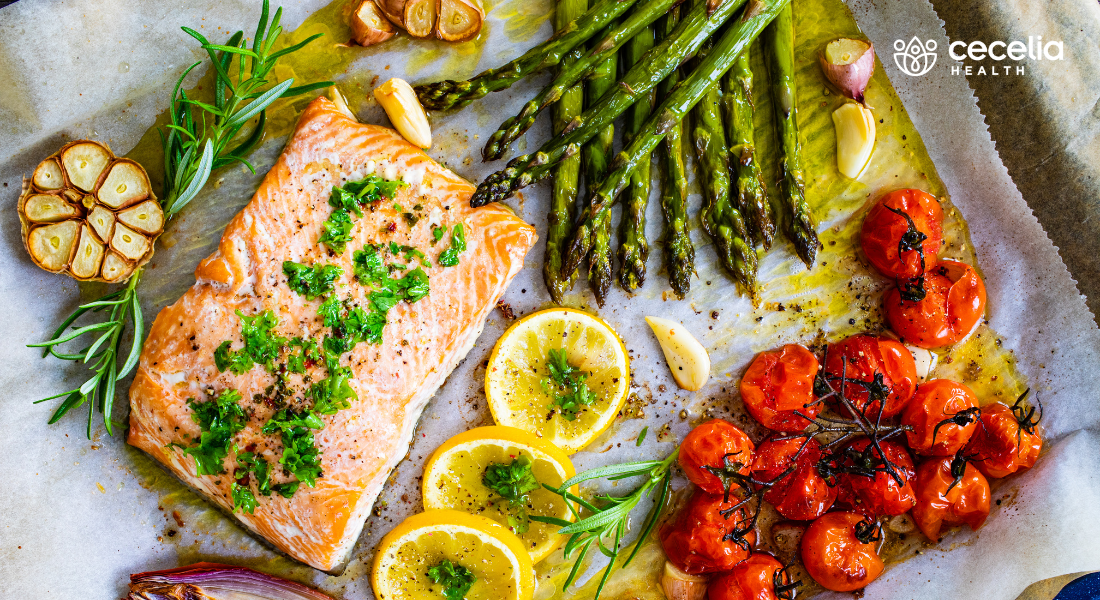
National Salmon Day
If you have tried this bright pink fish, you know why it is one of the most popular types of seafood. This delicious fish is so popular that, every year on October 8th, people in the U.S. observe the official National Salmon Day! One fun fact about salmon is that they are “anadromous” meaning they can live in both fresh and salt water!
Recipes with Salmon
Here are a few delicious recipes to try so you can start eating more of this nutrient packed seafood.
- Spinach-Stuffed Baked Salmon
- Teriyaki-Glazed Salmon With Stir-Fried Vegetables
- Salmon Salad Mix
- Kid-friendly Salmon Curry
For more information, check out our related article, “Sensational Seafood: A Great Choice to Include as Part of Your Meal Plan.”