
Omega-3 fats have been shown to provide a number of health benefits and are often referred to as a nutrient powerhouse. Omega-3s are a family of essential fatty acids that play important roles in your body. The body cannot produce omega-3 fats; which means you must get them from your diet. Their main focus is improving heart health. By including foods rich in Omega-3 fats in your diet, you may lower your risk of a heart attack or stroke.
What are Omega-3 fats?
Omega-3 fats are a type of unsaturated fat, also known as, healthy fat. Unsaturated fats are the type of fats which are actually good for our cholesterol levels, meaning this type of fat will not clog your arteries and raise cholesterol. Unsaturated fats can actually do the opposite. They can help lower cholesterol levels, particularly bad cholesterol or LDL. Also, they can help raise good cholesterol, HDL, which protects our heart. For a heart healthy diet, it is a good idea to include more unsaturated fats and less saturated fats.
Different types of omega-3s can be found in different foods. The main ones are:
ALA
- Our bodies cannot make alpha linolenic acid (ALA), so we need to get it from the foods we eat.
- It is mainly found in vegetable oils, nuts and seeds.
EPA and DHA
- Our bodies can make some eicosapentaenoic acid (EPA) and docosahexaenoic acid (DHA) from the ALA in the food we eat, but only a small amount. It’s best to consume foods that already contain them.
- It is mainly found in oily fish such as sardines, salmon, and mackerel. White fish and shellfish contain some, but in smaller amounts.
Research shows that omega-3 fatty acids can improve your cardiovascular health. Most of this research involves EPA + DHA, but ALA can also help improve your health. In countries where people eat more oily fish, such as the Mediterranean, Greenland and Japan, fewer people have heart disease compared to countries where people eat very limited oily fish.
Benefits of omega-3s in your diet
- Lower triglycerides (a fat that enters your body after a meal)
- Improve circulation (blood flow around the body)
- Prevent blood clots (help prevent blood platelets from clumping together)
- Lower blood pressure (people who eat fish tend to have lower blood pressure than those who do not)
- Keep rhythm of your heart healthy
- Keep the lining of the arteries smooth and free of damage that can lead to thick, hard arteries. This helps keep plaque from forming in the arteries.
- Raise level of HDL (the good cholesterol)
- Higher levels of EPA and DHA in the blood have been linked to lower risk of dying from cardiovascular disease
The American Heart Association recommends eating 2 servings of fish (particularly fatty fish) per week. Oily fish is the best source of Omega 3 fats. Eating two 4-ounce servings of oily fish per week is recommended as a way to consume a daily dose of 250 to 500 milligrams of EPA and DHA.
Fish and seafood high in EPA and DHA
- Salmon
- Pacific Oysters
- Tuna
- Trout
- Mackerel (not King)
- Herring
- Sardines
- Anchovies
It is not always easy to consume fish regularly. Some people have food allergies to fish or may not enjoy the flavor. While fish is the best way to get omega-3s in our diet, you can consume plant-based foods containing ALA. ALA is not as rich of a source of omega-3s, but some studies have shown that ALA can reduce the risk of cardiovascular disease as well.
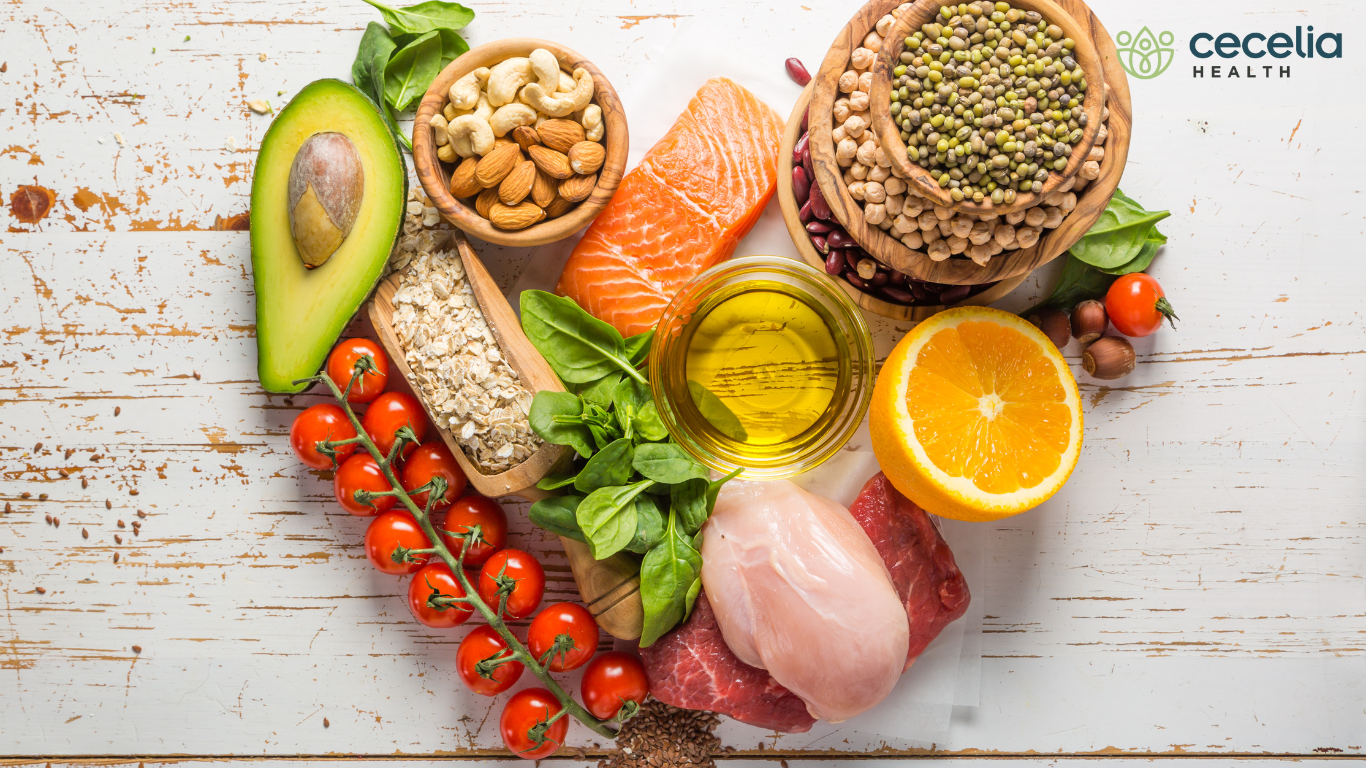
Sources of ALA from plants
- Ground flaxseed and flax oil
- Other seeds including pumpkin, chia and hemp
- Walnuts and walnut oil
- Soybean and canola oil
- Edamame
- Avocado
Some foods have omega-3s added to them such as eggs which gives you another way to add this healthy fat to your meal plan.
Tips for adding Omega-3s to your meal plan
- Eat 4 ounces of grilled, baked or broiled fish at least twice each week.
- Use canola, soybean or flaxseed oil in cooking or on a salad.
- Add ground flaxseed and chia seeds to yogurt or to oatmeal. Sprinkle on a salad or add to your homemade salad dressing. Use in recipes when baking a healthy treat such as baked oatmeal, pancakes or mini muffins.
- Blend flaxseed and hemp seeds into your morning smoothie.
- Snack on steamed Edamame.
- Eat walnuts for a snack or add them to your cereal or salad.
- Add some avocado to your sandwich instead of mayo for a healthy fat alternative.
- Mash a ½ of an avocado and use as a dip with cut up veggies for a snack.
- Read food labels on egg cartons and choose eggs high in omega 3s (the chickens that lay these eggs are fed omega-3 fortified feed). Have an omega-3 rich egg over an avocado for breakfast and sprinkle it with some ground flaxseed.
Adding foods rich in Omega-3 fats both from fish sources and plant sources can be beneficial in protecting your heart. Try this fun recipe to get your Omega-3s: Sheet-Pan Salmon with Sweet Potatoes & Broccoli | Eating Well
Note: Some types of fish contain high levels of mercury or other environmental contaminants. Women who are pregnant, planning to become pregnant or are breast feeding as well as young children should check the US FDA website for the latest advisories on avoiding contaminated fish.