
For years, healthcare leaders have been asking variations of the same question: How do we improve access?
Redefining Continuous Care
As cardiometabolic care becomes more complex, healthcare needs to expand its definition of what continuous care means. Today, the phrase is increasingly used to describe a wide range of digital and virtual health capabilities, including automated outreach, remote monitoring, mobile applications, and (often, AI-driven) education. These tools have created valuable new ways to stay connected with patients.
However, connection alone is not the same as clinical management.
A reminder does not determine whether a treatment plan needs to change. A health dashboard does not coordinate care between specialists. A digital touchpoint does not replace the clinical judgment required to help patients navigate complex, evolving conditions.
The next evolution of continuous care is not about creating more communication. It is about creating clinical accountability. For the estimated 40 million Americans living with cardiometabolic disease, continuous care must mean having the clinical support, coordination, and expertise needed to manage health challenges as they emerge—not simply receiving more interactions between appointments.
As healthcare enters an era of increasingly complex therapies and chronic conditions, the industry must redefine continuous care around what patients actually need: ongoing clinical management that helps them succeed over time.
Chronic Disease Exposed the Limits of Episodic Healthcare
Modern healthcare was built around encounters. A patient schedules a visit. A clinician evaluates the patient, makes a diagnosis, adjusts treatment, and creates a plan until the next appointment. For acute conditions, this model is highly effective. A patient with an infection, an injury, or a short-term medical concern often needs expert intervention at a specific moment in time.
Chronic diseases operate differently. Conditions like obesity, diabetes, cardiovascular disease, and chronic kidney disease do not follow appointment schedules. They evolve continuously. Medications change. Symptoms fluctuate. Lifestyle factors shift. New diagnoses emerge.
The decisions that influence outcomes happen outside of doctor visits. A patient starting a GLP-1 medication may experience side effects that affect adherence. Another may struggle with maintaining nutrition habits as appetite changes. Someone else may begin treatment with a new specialist while continuing care with their primary care physician, creating the need for coordination across multiple providers.
None of these situations are unusual. They are the reality of managing cardiometabolic health. Yet many care models still treat these moments as exceptions rather than the central challenge of care delivery. This is the fundamental mismatch between how healthcare operates and how chronic disease behaves.
The healthcare system is optimized for episodes. Patients need support that extends beyond them.
The Industry Has Optimized for Engagement. Patients Need Management.
Over the past decade, healthcare has invested heavily in patient engagement. The industry has created better portals, more sophisticated apps, wearable technology, digital education platforms, and automated communication tools. These innovations have improved access to information and created new opportunities for patients to participate in their care.
The challenge is that communication alone does not create accountability.
Managing chronic disease requires knowing when something has changed, determining why it changed, and taking action. That requires clinical expertise.

Continuous Care Requires Continuous Clinical Accountability
Real, continuous care is not defined by the number of patient interactions it creates. It is defined by whether there is continuous clinical support, offering the right interventions at the right moments.
That responsibility includes monitoring progress, identifying risks earlier, adjusting treatment plans, coordinating across providers, supporting behavior change, and helping patients overcome the barriers that inevitably arise during long-term care.
This distinction matters because chronic disease management is rarely a straight line. Patients experience setbacks. Medications require adjustment. Life circumstances change. Treatment plans need to evolve. The most effective care models anticipate those realities rather than waiting for the next scheduled appointment to address them.
GLP-1s Highlight Why Continuous Management Matters
The rapid adoption of GLP-1 therapies has accelerated this conversation. Much of the healthcare industry’s focus has appropriately centered on access, affordability, and appropriate utilization of these medications. These challenges are significant. But GLP-1s have also revealed a broader lesson about modern healthcare: breakthrough therapies require breakthrough care models.
A prescription alone does not deliver outcomes, and long-term success depends on what happens after it is written. Patients may need nutritional guidance as their appetite and eating patterns change. They may need support managing side effects. Other medications may require adjustment as weight and metabolic health improve. Providers across specialties need visibility into treatment progress.
This principle extends beyond GLP-1s. As medicine continues to produce more targeted and effective therapies, the complexity of managing those therapies will increase as well. The future of healthcare will not simply be defined by our ability to develop better treatments. It will be defined by our ability to help patients successfully navigate them.
Technology Must Scale Clinical Expertise, Not Replace It
Technology will play a critical role in enabling this future. Artificial intelligence, predictive analytics, remote monitoring, and connected devices are creating new opportunities to identify risks earlier and deliver more personalized interventions.
Automation can improve efficiency, but it cannot replace the judgment required to manage complex clinical decisions. The next generation of healthcare will not be defined by technology alone. It will be defined by the combination of technology and clinical expertise working together to expand access to high-quality care.
Redefining Continuous Care for the Future of Healthcare
Patients living with cardiometabolic disease need more than reminders and resources. They need coordinated support that connects medications, lifestyle changes, specialists, and evolving treatment needs into one comprehensive care experience.
The organizations that lead the next era of healthcare will be those that can answer:
- Are we coordinating care across providers and specialties?
- Can we support patients managing multiple conditions simultaneously?
- Can we adapt quickly as treatment plans evolve?
- Are we using technology to extend clinical expertise—not replace it?
- Are we building relationships that drive accountability and lasting outcomes?
Continuous care is not simply a feature of healthcare. It is becoming the operating model needed to manage the complexity of chronic disease.
About the Author
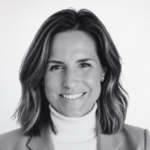
Wendi Mader is Chief Commercial Officer at Cecelia Health, where she leads the company’s growth strategy and partnerships across employers, health plans, health systems, and life sciences organizations. She is passionate about advancing clinically-led, technology-enabled models that improve outcomes for people living with chronic and cardiometabolic conditions.