
Sleep apnea can sound complicated, but at its core, it’s a condition where breathing repeatedly stops and starts during sleep. What many people don’t realize is that there isn’t just one kind; there are several types, each with different causes and treatment approaches. Understanding the differences can help you recognize symptoms and seek the right care.
What Is Sleep Apnea?
Sleep apnea is a sleep disorder that disrupts normal breathing patterns. These pauses can last a few seconds to over a minute and may occur dozens, or even hundreds, of times per night. The result is fragmented sleep, reduced oxygen levels, and strain on the body.
The three main types are obstructive sleep apnea, central sleep apnea, and complex sleep apnea.
Obstructive Sleep Apnea (OSA)
This is the most common type of sleep apnea.
Obstructive sleep apnea happens when the muscles in the back of your throat relax too much during sleep. This causes the airway to narrow or collapse, blocking airflow even as your body continues to try to breathe.
Common signs
- Loud snoring
- Gasping or choking during sleep
- Daytime fatigue
- Morning headaches
Who’s at higher risk?
- People who are overweight
- Those with larger neck sizes
- Individuals who sleep on their backs
- People who consume alcohol before bed
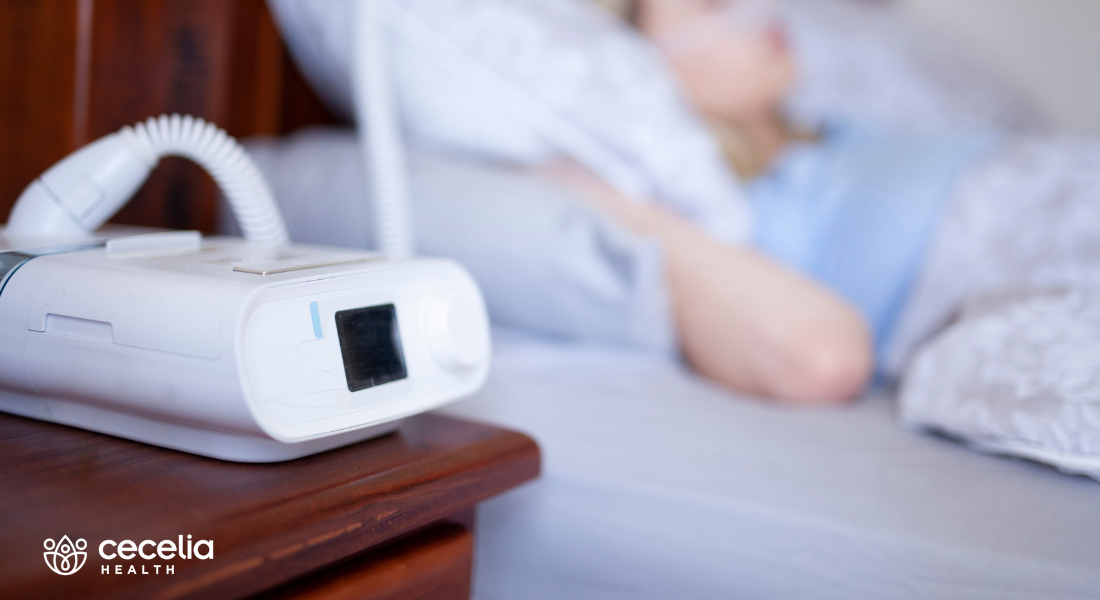
OSA is often treated with lifestyle changes, breathing devices like CPAP machines, or sometimes surgery.
Central Sleep Apnea (CSA)
Central sleep apnea is less common and works very differently.
Instead of a physical blockage, CSA occurs when the brain doesn’t send proper signals to the muscles that control breathing. In other words, your body temporarily “forgets” to breathe.
Common signs
- Pauses in breathing without snoring
- Sudden awakenings with shortness of breath
- Difficulty staying asleep
- Daytime sleepiness
Who’s at higher risk?
- People with certain medical conditions (like heart or neurological disorders)
- Individuals using opioid medications
- Older adults
Treatment often focuses on addressing the underlying cause and may include specialized breathing devices.
Mixed/Complex Sleep Apnea Syndrome
Also called treatment-emergent central sleep apnea, this type is a combination of both obstructive and central sleep apnea. It usually appears when someone is being treated for obstructive sleep apnea (often with a CPAP machine). Still, central sleep apnea symptoms begin to develop.Key point:
You may start with OSA but then experience CSA patterns during treatment.
Managing complex sleep apnea may require adjustments to therapy, such as different machine settings or advanced devices.
Why It Matters
All types of sleep apnea can impact your health if left untreated. Repeated drops in oxygen levels and poor sleep quality can increase the risk of:
- High blood pressure
- Heart disease
- Stroke
- Diabetes
- Difficulty concentrating and mood issues
Getting the right diagnosis is essential because each type requires a slightly different treatment approach.
When to Seek Help
If you or someone you live with notices signs like loud snoring, gasping during sleep, or excessive daytime fatigue, it’s worth talking to a healthcare provider. Sleep studies, either at home or in a lab, can help determine the type and severity of sleep apnea.