
For years, sleep apnea was considered a “man’s disease.”
The classic image was familiar: a middle-aged man who snores loudly, falls asleep during the day, and struggles with weight gain. But sleep apnea does not only affect men, and when it occurs in women, it often looks very different.
As a result, many women live with undiagnosed sleep apnea for years, sometimes attributing symptoms to stress, aging, hormones, or busy lifestyles.
Understanding how sleep apnea presents in women can help close an important gap in diagnosis and treatment.
What Is Sleep Apnea?
Obstructive Sleep Apnea (OSA) is a sleep disorder in which the airway repeatedly becomes blocked during sleep, causing pauses in breathing or shallow breathing episodes. These interruptions can lower oxygen levels, fragment sleep, and place strain on the body.
Common symptoms often include:
- Loud snoring
- Gasping or choking during sleep
- Excessive daytime sleepiness
- Morning headaches
- Difficulty concentrating
- Poor sleep quality
However, women may experience a different symptom pattern altogether.
Why Sleep Apnea Is Frequently Missed in Women
One of the biggest reasons sleep apnea is underdiagnosed in women is that their symptoms are often less obvious or less “classic.” Instead of reporting loud snoring or daytime sleepiness, women may describe:
- Chronic fatigue
- Insomnia or trouble staying asleep
- Anxiety or depression symptoms
- Mood changes or irritability
- Morning headaches
- Brain fog or memory problems
- Lack of energy
Because these symptoms overlap with many other health conditions, sleep apnea may not be considered during medical evaluations.
Research suggests women are more likely than men to present with atypical symptoms, increasing the risk of delayed or missed diagnosis. Untreated sleep apnea can negatively impact cardiovascular health, mental health, metabolic function, and overall quality of life.
Hormones and Sleep Apnea: An Important Connection
Hormonal changes can influence the risk of sleep apnea in women.
During reproductive years, hormones such as progesterone may help support airway stability. However, risk tends to increase during pregnancy, perimenopause, and menopause.
Postmenopausal women experience significantly higher rates of sleep apnea, yet symptoms may still be mistaken for hormonal changes, aging, or insomnia.
Many women report symptoms including:
- Night sweats
- Poor sleep quality
- Daytime fatigue
- Mood fluctuations
These concerns may overlap with menopause-related symptoms, making diagnosis more challenging.
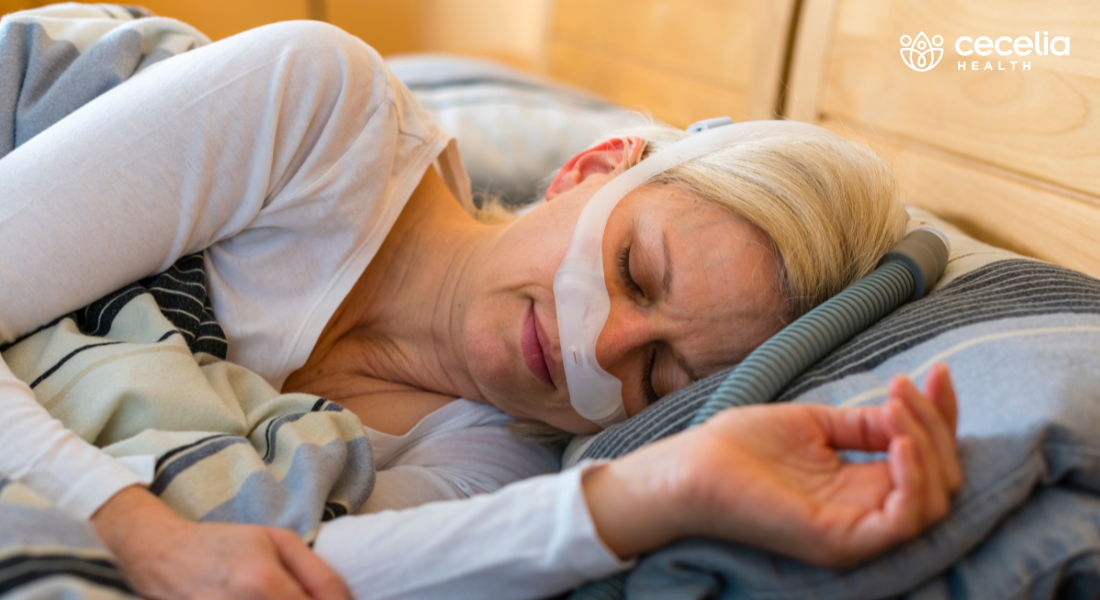
The Hidden Health Risks of Untreated Sleep Apnea
When sleep apnea goes untreated, the effects extend beyond feeling tired.
Untreated OSA has been associated with:
- High blood pressure
- Heart disease and stroke risk
- Type 2 diabetes and metabolic problems
- Cognitive difficulties
- Depression and anxiety symptoms
- Reduced quality of life
Because women are often diagnosed later than men, they may already be experiencing complications by the time treatment begins.
What Women Should Watch For
You do not have to snore loudly or fall asleep at your desk to have sleep apnea.
Women should consider speaking with a healthcare provider if they experience:
- Persistent exhaustion despite adequate time in bed
- Chronic insomnia or poor-quality sleep
- Morning headaches
- Trouble focusing or memory difficulties
- Mood changes, anxiety, or irritability
- Loud snoring, gasping, or witnessed breathing pauses
- Worsening sleep problems during menopause or pregnancy
If symptoms suggest sleep apnea, a healthcare provider may recommend a sleep evaluation or sleep study.
Diagnosis Can Change Lives
The good news is that sleep apnea is treatable. Treatment options may include:
- CPAP (Continuous Positive Airway Pressure) therapy
- Oral appliance therapy
- Lifestyle interventions
- Positional therapy
- Weight management when appropriate
- Specialist-guided treatment plans
Many women who receive treatment report improvements in energy, sleep quality, mood, concentration, and daily functioning.
The Bottom Line
Sleep apnea in women often hides behind symptoms that are easy to dismiss. What looks like “just stress,” “hormones,” “poor sleep,” or “being exhausted all the time” may be an underlying sleep disorder.
Awareness matters. Recognizing the unique ways sleep apnea can appear in women is an important step toward earlier diagnosis, better treatment, and healthier sleep. Because better sleep is not just about getting through the day, it is about protecting long-term health.