We often think about what we eat and drink to stay healthy, but what about the air we breathe? Clean air is just as important, especially for your lungs. Every day, you take about 20,000 breaths. If that air is polluted, it can damage your lungs and increase your risk of serious health problems.
In this blog post, we’ll look at why clean air matters, how indoor and outdoor pollution affects your lungs, and what you can do to protect your respiratory health.
Why Clean Air Is So Important for Your Lungs
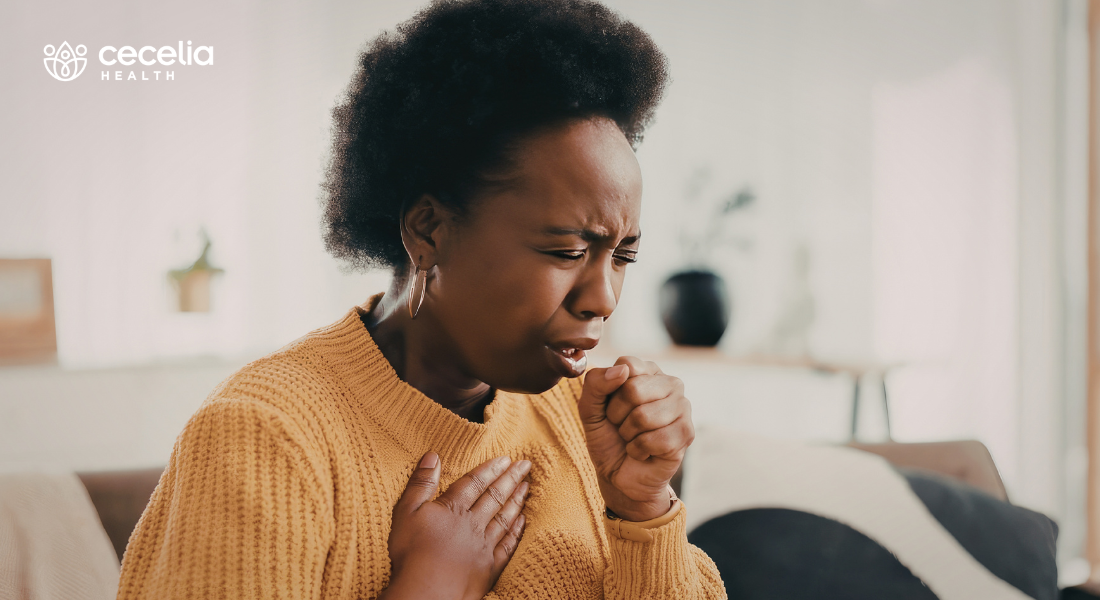
Your lungs are responsible for bringing oxygen into your body and getting rid of carbon dioxide. They work best when the air you breathe is clean. But when that air contains harmful particles—like smoke, dust, chemicals, or fumes—it can irritate or inflame your airways, making it harder to breathe.
Over time, exposure to polluted air can lead to conditions like asthma, bronchitis, chronic obstructive pulmonary disease (COPD), and even lung cancer.
Outdoor Air Pollution: What to Watch Out For
Outdoor air pollution is often caused by things like:
- Vehicle emissions
- Industrial smoke and chemicals
- Wildfire smoke
- Pollen and dust
- Ground-level ozone and smog
Breathing polluted outdoor air can lead to short-term problems such as coughing, wheezing, and fatigue. Long-term exposure increases the risk of serious lung and heart diseases.
Quick Tip: Check your local air quality index (AQI) before going outside, especially if you have asthma or other respiratory conditions. On days with poor air quality, try to stay indoors with windows closed.
Indoor Air Pollution: The Hidden Danger
You might be surprised to learn that indoor air can sometimes be more polluted than outdoor air. Common indoor pollutants include:
- Tobacco smoke
- Mold and mildew
- Cooking fumes
- Pet dander
- Dust mites
- Chemicals from cleaning products or air fresheners
If your home doesn’t have good ventilation, these pollutants can build up and affect your breathing.
Quick Tip: Use exhaust fans when cooking, avoid smoking indoors, and consider using an air purifier. Also, open windows when the outdoor air is clean to let fresh air in.
How to Protect Your Lungs
Here are some simple ways to protect yourself from indoor and outdoor air pollution:
- Check the air quality index daily using apps or websites. Stay indoors when pollution levels are high.
- Avoid secondhand smoke and never smoke inside your home or car.
- Keep your home clean by dusting, vacuuming, and controlling moisture to prevent mold.
- Use natural or low-chemical cleaning products to reduce chemical fumes.
- Add indoor plants to help improve air quality (just make sure they’re not allergens for you).
- Use an air purifier if you live in a high-pollution area or have allergies.
- Wear a mask during high pollution days or when exposed to dust or chemicals.
Who’s Most at Risk?
While air pollution affects everyone, certain groups are more vulnerable:
- Children
- Older adults
- People with asthma, COPD, or heart disease
- Pregnant women
If you or someone in your household falls into one of these groups, being extra cautious about air quality is especially important.
The Bottom Line
You can’t always see air pollution, but it can have a serious impact on your health—especially your lungs. The good news is that there are many steps you can take to reduce your exposure and breathe easier.
By staying informed and making a few simple changes, you can help protect your lungs and enjoy better overall health.