Losing weight can be hard. But if you have chronic kidney disease (CKD), it’s even more important and can be a little more tricky. The good news is that with the right choices, you can lose weight safely and feel better.
Why Weight Loss Matters with CKD
If you’re overweight, your kidneys have to work harder. This can make CKD get worse over time. Losing even a small amount of weight can lower blood pressure, reduce swelling, and help you feel more energetic.
Eat for Your Kidneys
With CKD, your kidneys have trouble removing certain waste from your blood. So, it’s important to eat foods that are easy on them. Diet changes needed may vary, and not everyone has to make these diet changes, so check with your doctor to see if these changes are necessary for your kidneys:
- Manage your protein: Too much protein can stress your kidneys. Focus on small portions of chicken, eggs, or fish. Don’t overdo it.
- Limit salt: Salt makes your body hold onto water. This raises blood pressure and causes swelling. Use herbs, lemon, or vinegar to flavor your food instead.
- Cut back on phosphorus and potassium: These are found in foods like nuts, dairy, bananas, potatoes, and dark soda. Your doctor or dietitian can tell you which levels are right for you.
- Drink enough—but not too much: You might need to watch your fluid intake, especially in the later stages of CKD.
Focus on Healthy Weight Loss
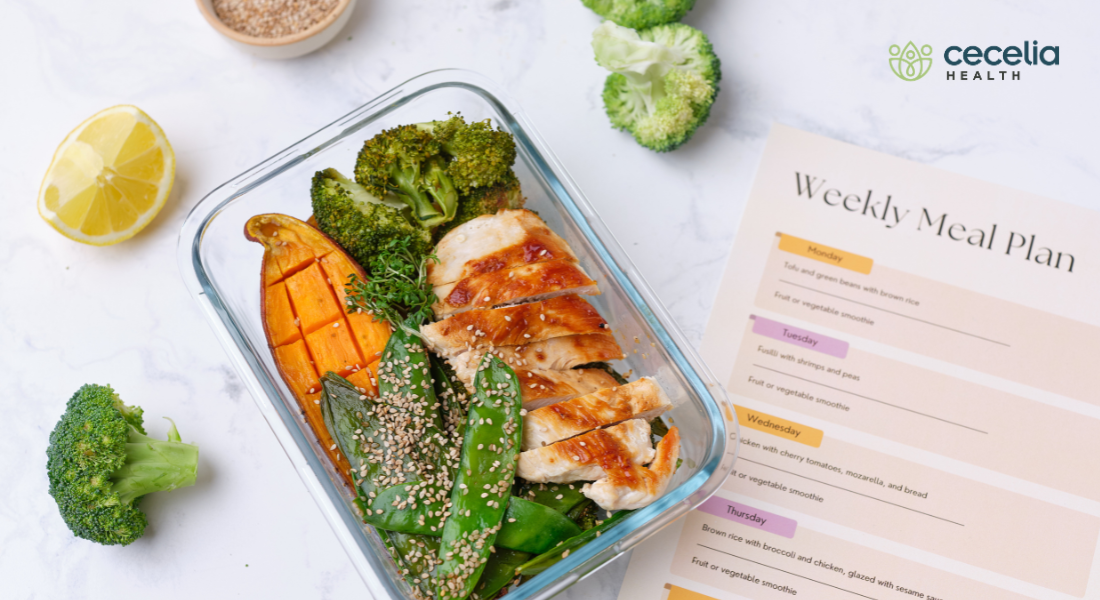
Crash diets or skipping meals won’t work and can be dangerous. Instead, try:
- Smaller portions: Use a smaller plate. Eat slowly and stop when you’re full.
- More fruits and vegetables: Choose lower-potassium options like apples, grapes, and green beans.
- Healthy carbs: Choose whole grains like rice or oats (but ask your dietitian about phosphorus levels).
- Healthy fats: Avocados, olive oil, and small amounts of nuts are great, but check with your care team.
- Exercise gently: Walking, stretching, or chair exercises can help. Always talk to your doctor before starting something new.
Work With a Dietitian
A dietitian who understands CKD can help you make a plan that supports weight loss without hurting your kidneys. Your needs are unique, and your diet should be too.
You don’t need to be perfect. Start with small changes and build on them. Losing weight slowly and safely can protect your kidneys and help you feel your best.