
Managing diabetes has always been a balancing act between monitoring blood sugar levels, medication, diet, and exercise. For people with diabetes, maintaining blood glucose within a healthy range is crucial to avoid complications such as heart disease, nerve damage, and vision problems. Historically, the process of tracking blood sugar involved finger-stick tests multiple times a day. However, thanks to advancements in technology, Continuous Glucose Monitors (CGMs) are revolutionizing the way diabetes is managed, offering unprecedented real-time insights into blood glucose fluctuations. Here’s how CGMs are changing diabetes management for the better.
What is a Continuous Glucose Monitor?
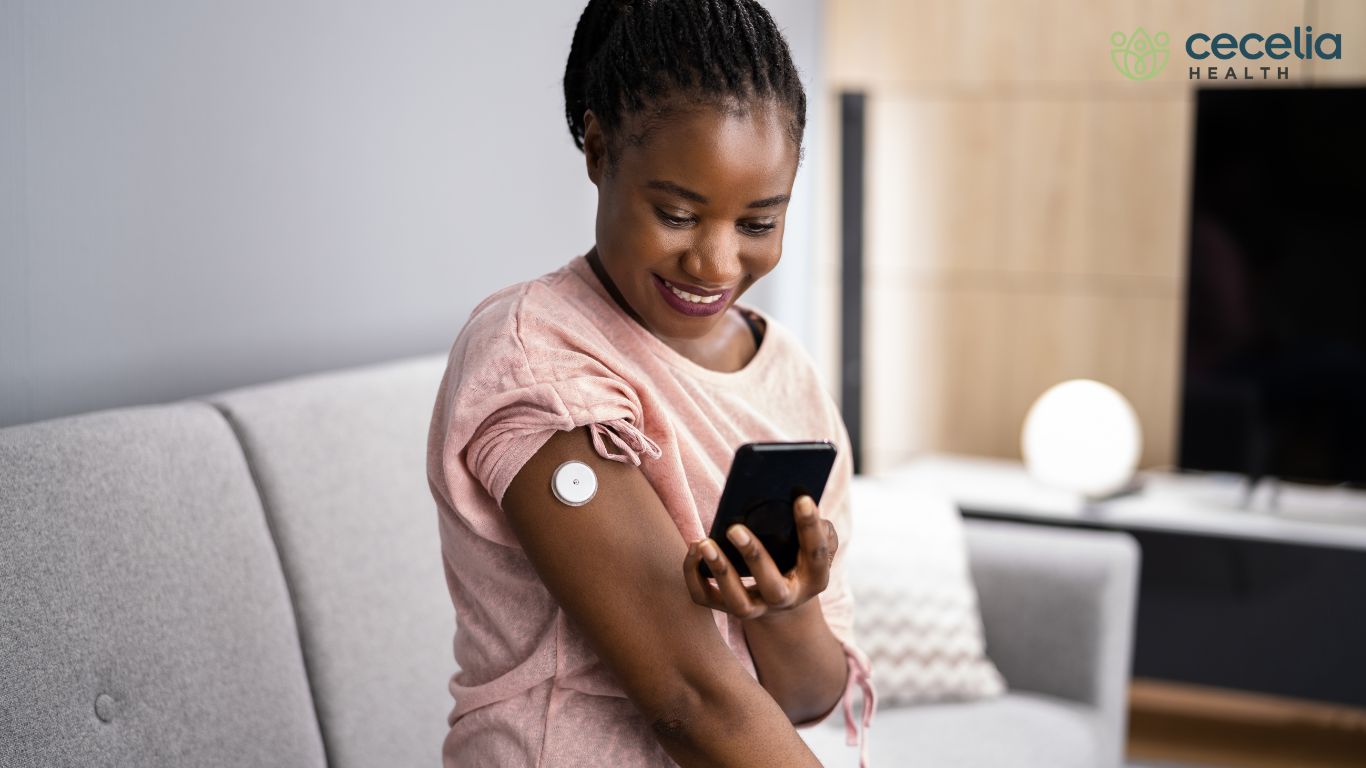
A CGM is a small device that measures glucose levels continuously throughout the day and night, without the need for multiple finger-pricks. It consists of a sensor that is typically worn under the skin, a transmitter that sends data to a dedicated receiver or smartphone with an app to review trends on a display. The sensor measures glucose levels in the interstitial fluid just below the skin, offering real-time readings that may provide valuable insights into how glucose fluctuates throughout the day.
The Benefits of Continuous Monitoring
Real-Time Feedback
One significant advantage of CGMs is receiving real-time blood glucose feedback. With traditional finger-stick tests, blood glucose readings only provide a snapshot at one moment in time, which may not accurately reflect fluctuations that occur between tests. In contrast, CGMs monitor glucose levels continuously, offering a much more dynamic view of how a person’s blood sugar levels are responding to life choices.
For example, a CGM can show how blood glucose rises after eating, dips after exercise, or spikes due to stress or illness. This real-time information allows people with diabetes to make more informed decisions about their diet, exercise, and medication, ultimately helping to maintain better glucose control.
Reduced Need for Finger Pricks
While traditional blood glucose meters require individuals to prick their fingers several times a day, CGMs minimize the need for finger-stick tests. Although a few finger-sticks may be necessary for CGM calibrations, the continuous data provided by CGMs eliminates the frequent discomfort and inconvenience of manual tests multiple times a day. This is particularly valuable for children or those who have difficulty performing finger-sticks multiple times daily.
Improved Blood Glucose Control
With constant monitoring, CGM users can identify patterns in their glucose levels that would otherwise go unnoticed. By understanding how their body responds to certain foods, activities, or medications, individuals with diabetes can improve their blood sugar control. For instance, someone may notice that their blood sugar rises significantly after eating a particular food and can then adjust their diet accordingly.
The ability to make real-time adjustments is particularly important for people with type 1 diabetes who require insulin for blood sugar control. CGMs help ensure they can deliver insulin at the right time and in the right amount, leading to better overall diabetes management and reducing the risk of complications.
Trend Data and Alerts
CGMs also offer the benefit of trend data, which shows how glucose levels are changing over time. This feature can alert users to potential issues, such as rapidly increasing or decreasing blood sugar, which may be difficult to catch with finger-stick testing methods. Some systems even offer customizable alerts to notify users when their glucose levels are too high or too low. This proactive approach helps prevent dangerous high (hyperglycemia) or low blood sugar (hypoglycemia) episodes before they escalate.
Also, CGMs allow people with diabetes to act in real time, such as adjusting their insulin dose, eating a snack, or exercising. For those with type 2 diabetes, the ability to adjust lifestyle choices immediately based on glucose readings can significantly improve health outcomes.
Better Quality of Life
The convenience and accuracy of CGMs contribute to a higher quality of life for those living with diabetes. The constant monitoring reduces anxiety and guesswork often associated with managing blood glucose levels. Individuals no longer need to wonder if their blood sugar is too high or too low—they can check their levels at any time. CGMs also enable more flexible lifestyles, allowing individuals to enjoy activities like travel, exercise, and socializing without constantly worrying about their blood glucose levels.
Future Implications and Challenges
As CGMs continue to evolve, they are likely to become even more user-friendly and integrated with other diabetes management tools. The addition of features like predictive algorithms, which can forecast future blood sugar trends, and integration with insulin pumps to automate insulin delivery, is already transforming the landscape of diabetes care.
However, there are still some challenges. The cost of CGMs can be prohibitive for many, as not all insurance plans cover these devices, and out-of-pocket expenses can be high. Additionally, while CGMs offer a wealth of data, interpreting that data effectively requires guidance from healthcare professionals.
Continuous Glucose Monitors are a game-changer for diabetes management, providing real-time data, reducing the need for frequent finger pricks, improving blood sugar control, and enhancing overall quality of life. With the growing accessibility and innovation of CGMs, the future of diabetes care is increasingly personalized and proactive, empowering individuals to take control of their health like never before. As technology continues to advance, it’s clear that CGMs are not just a tool—they are transforming how we live with and manage diabetes.