Are you currently taking a GLP-1 medication or thinking about starting one? Glucagon-like peptide-1 receptor agonists (often called GLP-1s) have become increasingly popular for helping manage blood sugar levels, obesity, and other health conditions related to diabetes and weight management.
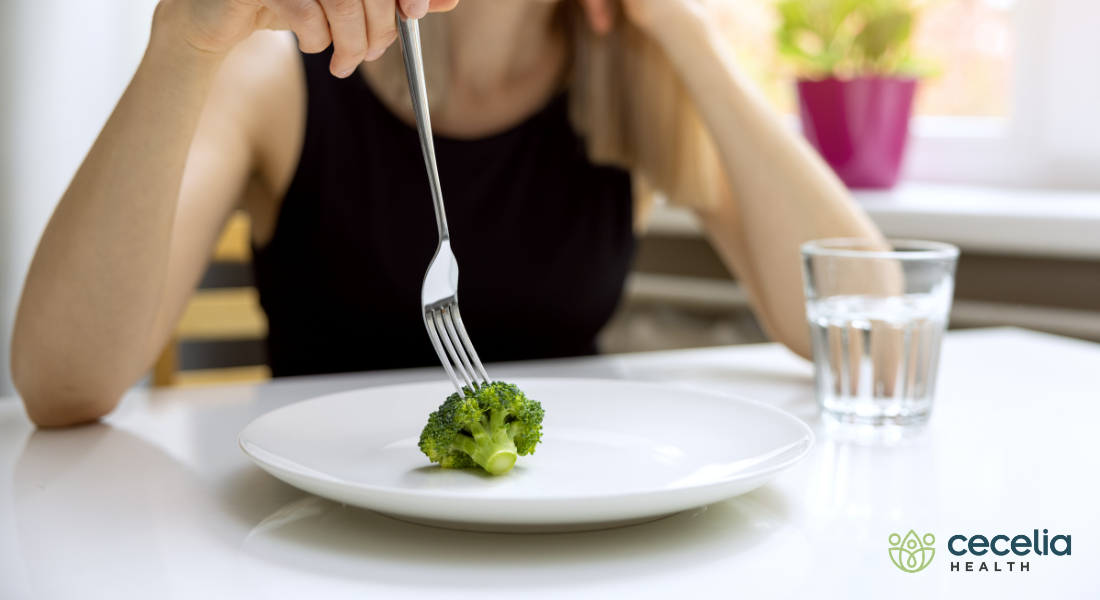
One common effect of GLP-1 medications is a reduced appetite. Some people also experience digestive side effects, such as nausea or stomach discomfort, which can make eating even less appealing. Because of this, it’s important to make sure your body is still getting the nutrition it needs. Let’s explore some ways to make sure you are fueling your body with the nutrition it needs while taking GLP-1 medication.
Why Eating Enough Still Matters
Many people take GLP-1 medications to lose weight, which typically requires eating fewer calories. However, your body still needs enough food to provide energy and important nutrients, including protein, vitamins, and minerals.
Not eating enough can lead to fatigue, nutrient deficiencies, and loss of muscle mass. Choosing nutritious foods and staying within your recommended calorie range can help you:
- Maintain your energy levels
- Stay consistent working toward your health and weight-loss goals
- Support your exercise routine
- Reduce the risk of unwanted side effects such as fatigue, hair loss, mood changes, and muscle loss
If you are beginning a weight-loss journey, consider speaking with a dietitian or nutrition professional. They can help you determine the calorie and nutrient levels that are right for you.
Prioritize Nutrient-Dense Foods
If your appetite is low or you’re experiencing side effects that make eating difficult, focus on foods that provide the most nutrition in smaller portions.
Lean Proteins
Protein rich foods help preserve muscle mass, which is important for metabolism, physical activity, and overall health. Some good protein choices include chicken breast, eggs, salmon, tuna, low-fat Greek yogurt or cottage cheese.
Fruits, Veggies and Whole Grains
These foods provide healthy carbohydrates, which give your body energy and important nutrients such as fiber, vitamins, and minerals. Carbohydrates often get a bad reputation when it comes to weight loss, but choosing nutrient-rich sources can support both your health and your goals. Click here for more information on healthy carbohydrates.
Healthy Fats
Healthy fats support hormone balance, brain function, and nutrient absorption. They can also help you feel satisfied between meals. Some sources of healthy fats include avocado, extra virgin olive oil, nuts, and seeds. Consider trying this Strawberry Chia Pudding recipe. This satisfying treat is rich in fiber and healthy fats, including omega-3 fatty acids.
Tips for When You Don’t Feel Hungry
As previously mentioned, making sure your body gets adequate nutrition, even if you don’t feel hungry, is important. Here are some strategies you can try…
Eat small meals and snacks more frequently. Try to eat every 2-3 hrs but avoid eating larger quantities that may cause you to feel overly full, bloated, and uncomfortable.
Start with protein. Build your snacks and meals around protein-rich foods like the ones previously mentioned.
Choose soft or easy-to-eat foods that don’t require a lot of chewing. Soups, smoothies, and cooked vegetables rather than raw ones can be good options.
Keep healthy grab-and-go options available. Preparing and portioning foods ahead of time can make it easier to eat when you’re busy or not feeling hungry.
Try drinking your nutrition when needed. Protein shakes and smoothies can be a convenient way to get calories and nutrients when eating feels difficult. Click here for some delicious shake and smoothie recipes!
Don’t Forget Hydration
GLP-1s not only decrease the bodies’ hunger cues; they can also decrease thirst cues as well. Making sure you are hydrating your body is another key piece to fueling your body. Try taking small sips throughout the day, using an app on your phone to track your fluid intake, or even setting up reminders for yourself to drink liquids. For more information on hydration, click here.
Know When to Talk to You Healthcare Provider
Make sure to seek medical attention if you notice any of the following:
- Severe, persistent nausea/vomiting
- You are unable to eat enough for several days
- Losing weight more rapidly than expected
- Feeling weak, dizzy, confused, or lightheaded.
Appetite changes are common when taking GLP-1 medications, but getting proper nutrition remains essential. By focusing on protein, nutrient-dense foods, and adequate hydration, you can support your overall health while working toward your weight-loss goals.
For more help information, check out our related blog, “The Benefits of Prioritizing Protein Intake While Taking a GLP-1 Agonist”