
Herbs can play a supportive role in managing diabetes by helping to regulate blood sugar levels and improve overall health. Here are some herbs that are commonly used and studied for their potential benefits in diabetes management:
Common Herbs for Diabetes Management
Cinnamon
Benefits: May help improve insulin sensitivity and lower blood sugar levels.
Usage: Sprinkle on food or take as a supplement. Ceylon cinnamon is often preferred over cassia cinnamon due to lower coumarin content, which can be toxic in high doses.
Fenugreek
Benefits: Contains soluble fiber, which can help manage blood sugar levels and improve glucose tolerance.
Usage: Seeds can be soaked in water overnight and consumed, or taken as a supplement.
Bitter Melon
Benefits: Contains compounds that mimic insulin and may help lower blood glucose levels.
Usage: Can be eaten as a vegetable, juiced, or taken as a supplement.
Berberine
Benefits: Found in various plants like goldenseal and barberry, berberine can help lower blood sugar and improve insulin sensitivity.
Usage: Commonly taken in supplement form.
Aloe Vera
Benefits: May help lower blood glucose levels and improve HbA1c levels.
Usage: Can be consumed as a juice or taken in supplement form.
Ginger
Benefits: May help improve fasting blood sugar levels and insulin sensitivity.
Usage: Fresh ginger can be added to food and drinks, or taken as a supplement.
Turmeric
Benefits: Contains curcumin, which has anti-inflammatory and blood sugar-lowering properties.
Usage: Can be added to food, taken as a tea, or in supplement form with black pepper to enhance absorption.
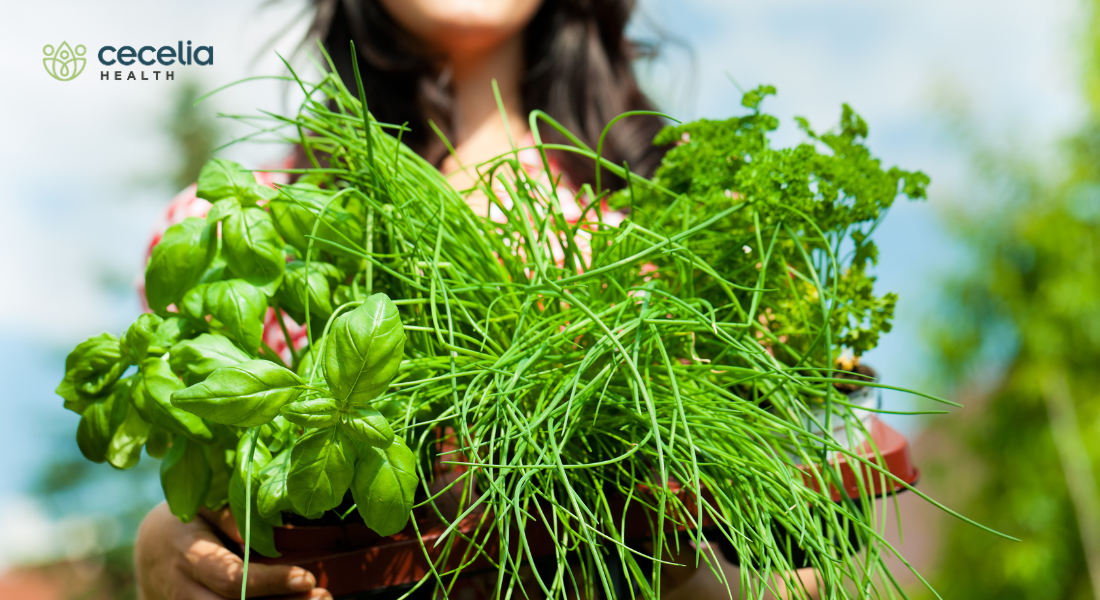
Holy Basil (Tulsi)
Benefits: May help lower blood glucose levels and reduce stress.
Usage: Leaves can be used in teas or taken as a supplement.
Gymnema Sylvestre
Benefits: May help reduce sugar absorption in the intestines and improve insulin function.
Usage: Typically taken in supplement form.
Garlic
Benefits: May help lower fasting blood glucose levels and improve cardiovascular health.
Usage: Fresh garlic can be added to food, or taken as a supplement.
Considerations and Precautions
Consult Healthcare Providers
Always talk to your healthcare provider before adding any herbs to your diabetes management plan, especially if you are on medication, as some herbs can interact with drugs or affect blood sugar levels significantly.
Quality and Dosage
Ensure you are using high-quality herbs and follow recommended dosages to avoid potential side effects.
Monitor Blood Sugar Levels
Regularly monitor your blood sugar levels to understand how the herbs are affecting your glucose control.
Lifestyle Integration
Herbs should complement a balanced diet, regular exercise, and proper medication management, not replace them.
Incorporating certain herbs into your diabetes management plan can offer additional support for blood sugar control and overall health. However, it’s essential to approach this complementary strategy with caution and under the guidance of a healthcare professional to ensure safety and efficacy.