
If you are taking an injectable GLP-1 medication, or thinking about starting one, you may have questions about how to inject it. Using the correct technique and caring for the injection site can help prevent problems like redness, swelling, tenderness, and bruising. Let’s walk through some simple steps to help you inject safely and confidently.
Prep Before You Inject
Before giving your injection, it is important to take a few minutes to get ready. Start by gathering your supplies (alcohol swab or washcloth, medication, syringes, needles, disposal container, etc.) Being prepared makes the process quicker and more comfortable.
Choosing the Right Injection Site
GLP-1 medications are given “subcutaneously”, which means they go into the fat layer just under the skin. Most GLP-1 users can choose to inject in the following areas
- Abdomen (stomach area)
- Back of the upper arm
- Tops and outer parts of the thighs
- Hips/outer area of the buttock
Generally, the abdomen is considered ideal as the medication is well absorbed here and there is plenty of space to rotate the spot of the injection within this area.
Additionally, it is important to inspect your chosen injection site first. Avoid injecting into a scar as medication injected into a scar will not be absorbed as intended. If the area shows signs of redness, swelling, bruising, or lumps, choose a slightly different spot or move to a different site.
Rotate Sites
Repeatedly using the same area for injection over an extended period of time can lead to the development of scar tissue. A general rule of thumb is to use slightly different spots within one area for no more than two weeks. Then switch to a new area.
Example: Use your right outer thigh for two weeks, then switch to your left thigh for the next two weeks.
You can keep a simple log or follow a pattern to stay organized. For example, if using your abdomen, move in a clockwise direction each time.
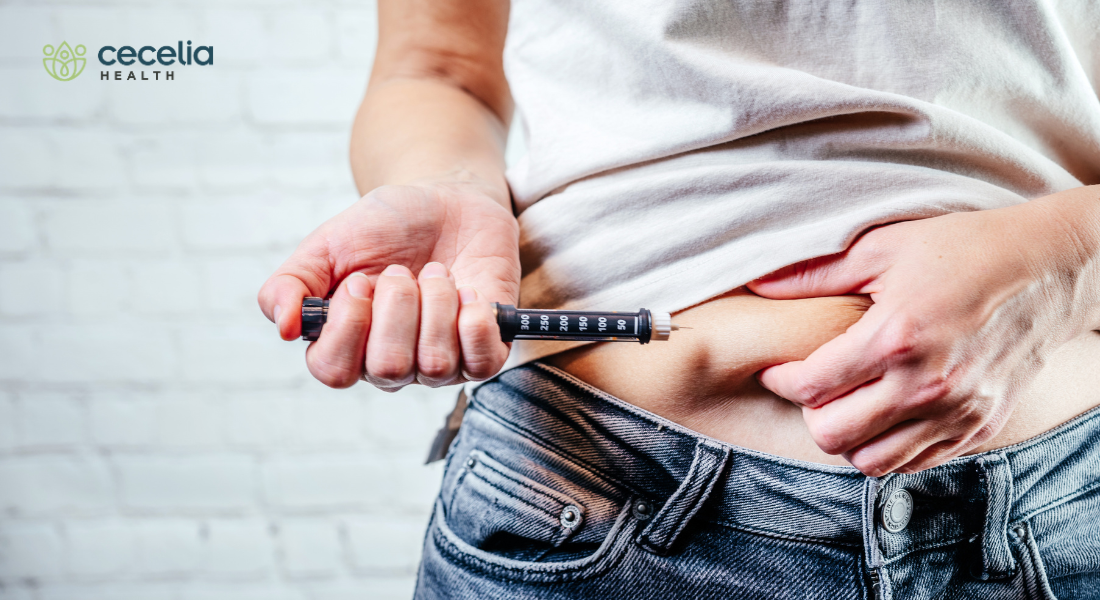
Proper Injection Technique
You’ve prepped, chosen an injection site and inspected it… now you are ready to give yourself the medication! For the best results follow these steps:
- Clean the area – Usually gently cleansing the area with soap and water is sufficient, however, you should discuss appropriate site preparation with your healthcare provider. Allow the site to dry completely.
- Secure the skin – About 1-2 inches of skin and fat can be pinched with your non-dominant hand.
- Insert the needle – Hold the pen/syringe like a pencil at a 90-degree angle to your skin and insert the needle.
- Inject the medicine – Ensure that the needle is fully inserted and then deliver the medication. Wait 5-10 seconds before removing the needle.
- Dispose of supplies safely – Get rid of the supplies you will no longer need as directed by your pharmacist or healthcare provider.
Tip: Check your medication manufacturer website for detailed instructions and guidance related to proper injection.
What to Watch For
Injection site reactions are a common side effect of GLP-1 medications. Slight redness, minor swelling, and/or mild tenderness or itching around your injection site may occur. Applying a cool compress to soothe the area and switching sites may help with discomfort.
Seek medical attention if you notice any of the following symptoms:
- Increasing redness or pain
- Hard lumps that don’t go away
- Warmth or drainage
- Ongoing itching or rash that doesn’t improve
It is not uncommon to feel anxious or a certain level of uncertainty when learning to administer an injected medication like GLP-1s. However, with preparation and the proper technique, you can build the confidence to administer your medication and care for your injection site successfully!
For reference, here is a checklist of the basic steps:
- Gather supplies
- Wash your hands
- Inspect the site
- Wash and dry the area
- After injecting, monitor for redness, swelling, bruising, heat, and lumps