
Why do some people live significantly longer — and better — than others? That’s the question researchers asked when studying regions known as Blue Zones: five unique places around the world where people live exceptionally long, healthy lives. In these areas, reaching 90 or even 100 years old is common — and chronic diseases like heart disease, diabetes, and cancer are surprisingly rare.
So what makes these populations different? Let’s explore the habits, values, and lifestyles of the world’s healthiest people — and how you can adopt some of their practices to enhance your own longevity and well-being.
What Are the Blue Zones?
The term “Blue Zones” was coined by author and explorer Dan Buettner, who partnered with National Geographic and longevity researchers to identify areas with unusually high concentrations of centenarians. These five regions are:
Okinawa, Japan
Home to the world’s longest-living women and a culture rooted in purpose and community.
Sardinia, Italy
A mountainous region known for its high number of male centenarians and strong family ties.
Nicoya Peninsula, Costa Rica
A place where a strong sense of purpose and hard physical labor contribute to long life.
Ikaria, Greece
An island where people enjoy one of the lowest rates of dementia and heart disease in the world.
Loma Linda, California
Home to a community of Seventh-day Adventists who live 7–10 years longer than the U.S. average.
The Power 9: Common Habits That Promote Longevity
Despite being scattered across the globe, Blue Zone populations share several key lifestyle habits. These are known as the Power 9 — evidence-based principles that promote longevity and well-being.
Move Naturally
People in Blue Zones don’t go to the gym — they build movement into their daily lives. Walking, gardening, cooking, and housework keep them active all day long.
Purpose
Having a reason to wake up every morning — known as “ikigai” in Okinawa and “plan de vida” in Nicoya — adds years to your life and meaning to your days.
Downshift
Daily rituals to relieve stress — such as prayer, naps, or socializing — help reduce chronic inflammation and protect against age-related diseases.
80% Rule
In Okinawa, people follow the practice of “Hara Hachi Bu” — eating until they are 80% full. This helps prevent overeating and supports a healthy weight.
Plant Slant
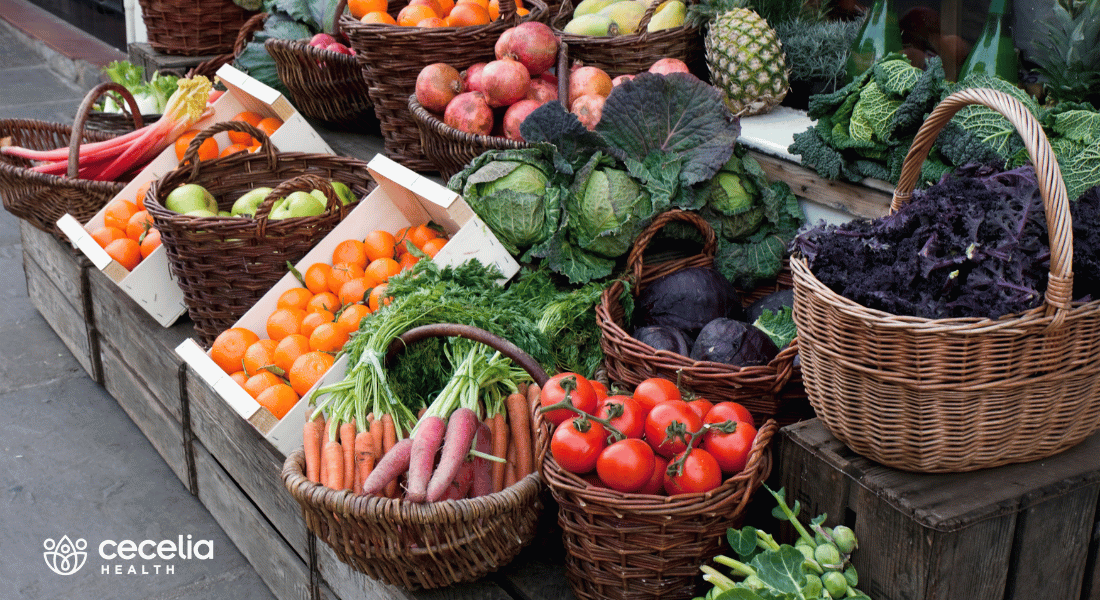
Blue Zone diets are largely plant-based, with a focus on beans, whole grains, fruits, and vegetables. Meat is eaten occasionally and in small portions.
Wine @ 5
With the exception of Loma Linda, moderate alcohol consumption (especially red wine with friends or meals) is a common habit among Blue Zone populations.
Belong
Most Blue Zone residents are part of a faith-based community. Regular participation is associated with longer life expectancy.
Loved Ones First
Strong family connections are a priority. Elderly family members often live with or near younger generations, and family is central to daily life.
Right Tribe
People in Blue Zones surround themselves with supportive, health-minded social circles. These connections encourage healthy behaviors and emotional resilience.
The most powerful takeaway from the Blue Zones is this: longevity isn’t about extreme diets, expensive supplements, or intense workouts. It’s about living in alignment with your body, your community, and your purpose. The people in these regions aren’t trying to live longer — they simply live well, and longevity is a natural result.
You don’t need to move to a Blue Zone to benefit from their habits. Start by:
- Eating more plants and fewer processed foods.
- Prioritizing sleep, rest, and meaningful relationships.
- Moving your body in natural ways throughout the day.
- Taking time to reflect on your life’s purpose.
The secrets to a longer, healthier life are simpler than we think. By learning from the world’s healthiest populations, we can all make small changes that add up to big benefits — not just in years added to life, but in life added to years.