
You’re eating healthy, staying active, and trying to lose weight, but the scale won’t budge. Sound familiar? Sometimes the problem isn’t how much you’re eating, but what’s hidden in your food and drinks. Extra calories can sneak in without you realizing it. Let’s uncover five common sources of hidden calories and how to fix them.
Drinks That Aren’t Water
Sodas, juices, energy drinks, and even “healthy” smoothies can be packed with sugar and calories. A single 16-ounce soda has about 200 calories. Drink one every day, and that adds up to more than 70,000 calories in a year, enough to cause a weight gain of 20 pounds.
Fix it: Choose water, sparkling water, or unsweetened tea. If you want flavor, add lemon, cucumber, or lime.
Coffee Add-Ins
Coffee itself has almost no calories. The culprit is what we add to it, cream, flavored syrups, whipped cream, and sugar. A medium flavored latte can have 300–400 calories, nearly the same amount as a small meal.
Fix it: Stick to black coffee, or use a splash of milk and a sprinkle of cinnamon instead of syrups. If you like sweetener, measure it so you know exactly how much you’re using.
Cooking Oils and Dressings
Olive oil is healthy, but one tablespoon has about 120 calories. It’s easy to pour more than you think when cooking or making salad dressing. Restaurant salads can be even trickier, often with 400+ calories just from dressing.
Fix it: Use a measuring spoon for oils and dressings. Try sprays for lighter coverage, or flavor food with herbs, spices, vinegar, or lemon juice.
“Healthy” Snack Foods
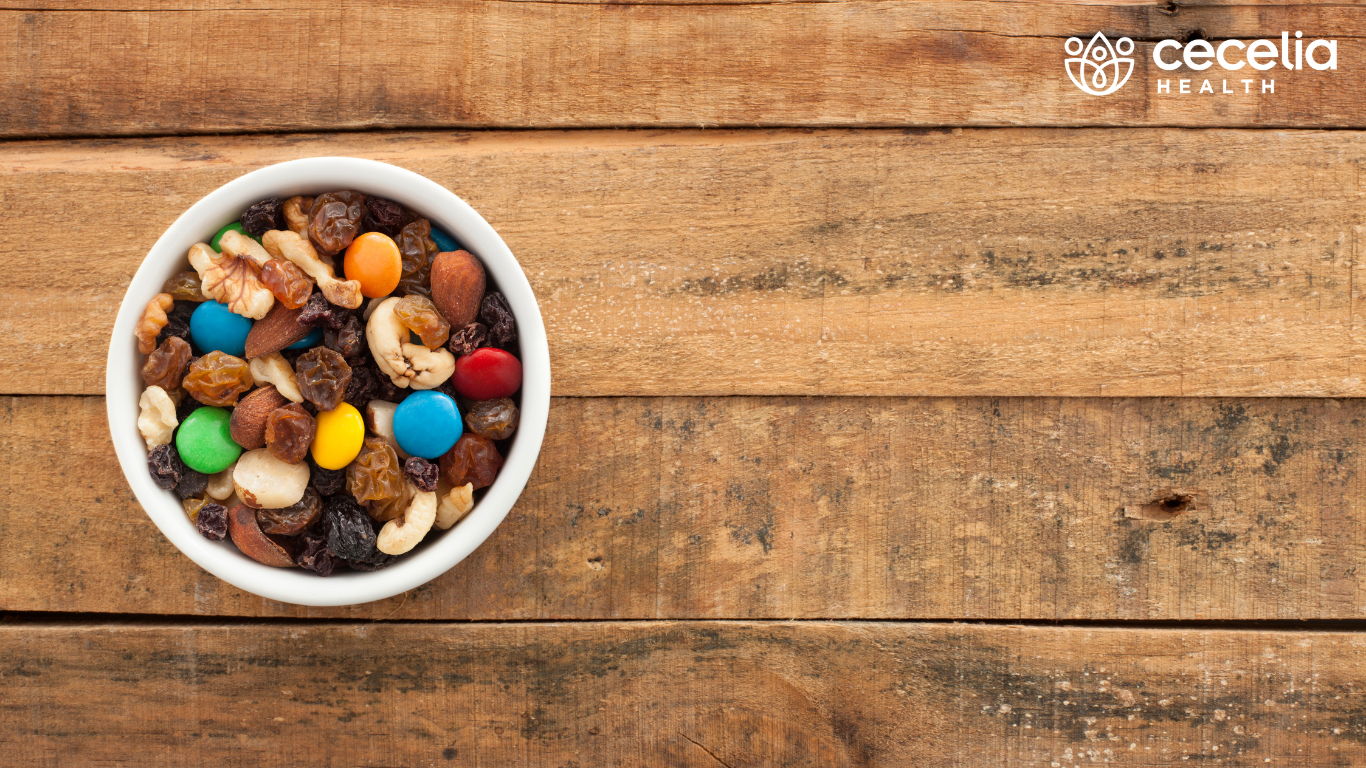
Granola, protein bars, trail mix, and nut butters are often marketed as healthy, but they can also be calorie-dense. A small handful of trail mix can have 200–300 calories, and it’s easy to eat more without noticing.
Fix it: Pre-portion snacks into small bags or containers. Look for bars with fewer than 200 calories and low added sugar.
Large Portion Sizes
Even healthy foods can sabotage weight loss if the portions are too big. For example, one cup of cooked rice is about 200 calories, but many people eat two or three cups at a time without realizing it.
Fix it: Use smaller plates and bowls, and measure servings until you get used to what a portion really looks like. Pay attention to hunger and fullness cues to avoid overeating.
Hidden calories can add up quickly and slow down weight loss progress. The good news is that once you know where they’re hiding, you can take simple steps to cut them out without feeling deprived. Focus on water over sugary drinks, measure oils and dressings, and watch portion sizes. These small changes can make a big difference over time, helping you reach your weight loss goals more easily.