
In today’s world, processed foods are a common part of many people’s diets. From pre-packaged snacks to ready-made meals, processed foods are often convenient, affordable, and easy to store. However, while these foods may seem harmless, regular consumption of processed foods can have significant negative effects on our health. Understanding what processed foods are, and how they impact our body, is essential for making better choices about what we eat.
What Are Processed Foods?
Processed foods are any foods that have been altered from their original form for convenience, preservation, or taste. The term “processed” can describe a wide range of foods, from minimally processed items like pureed fruit or canned beans, to highly processed foods like sugary snacks, fast food, and soda. For example, turning an apple into applesauce, which involves minimal processing, or into an apple pie, which involves more extensive processing, are both forms of food processing.
Examples of processed foods include:
- Soft drinks and sugary beverages (sodas, juice, sweetened teas)
- Pre-packaged baked goods (like cookies, cakes, rolls, croissants)
- Fast food (such as burgers and fries)
- Processed meats (such as sausages and deli meats)
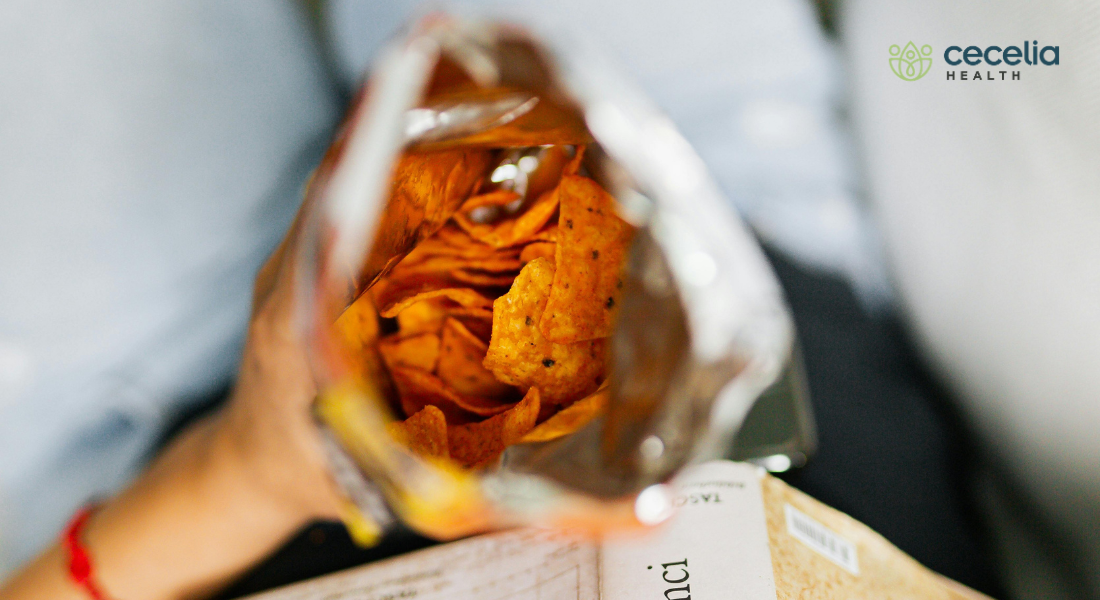
- Snack foods like chips and candy
- Instant noodles and canned soups
Negative Health Effects
Weight Gain and Obesity
One of the most immediate and noticeable effects of eating too many processed foods is weight gain. Highly processed foods are often calorie-dense and lack the nutrients that fill you up and keep you satisfied. Eating processed foods can lead to an excess of calories in the diet, which can contribute to weight gain and obesity.
Increased Risk of Heart Disease
Many processed foods are packed with unhealthy fats, like saturated fats. These fats can raise levels of bad cholesterol (LDL) in the blood, which increases the risk of heart disease and stroke.
Type 2 Diabetes
Consuming too many processed foods that are high in sugar and refined carbohydrates can lead to insulin resistance, a condition where the body’s cells no longer respond properly to insulin. This can result in high blood sugar levels, which, if left uncontrolled, can lead to type 2 diabetes.
Digestive Problems
Processed foods are often low in fiber, an essential nutrient that supports healthy digestion. Fiber helps regulate bowel movements, prevents constipation, and promotes the growth of beneficial gut bacteria. Diets high in processed foods and low in fiber can contribute to digestive issues such as constipation, bloating, and discomfort.
Inflammation
Processed foods, often high in refined sugars, unhealthy fats, and artificial additives, trigger inflammation by disrupting the body’s natural immune response. These foods can increase oxidative stress, alter gut microbiota, and promote the release of pro-inflammatory molecules, contributing to chronic conditions like heart disease, diabetes, auto-immune diseases, and arthritis.
Processed foods are convenient, but they can have serious long-term effects on our health. From weight gain and heart disease to digestive issues and arthritis, the negative impact of processed foods is significant. To improve health and well-being, it’s important to reduce the intake of processed foods and instead focus on whole, nutrient-dense foods such as fruits, vegetables, whole grains, and lean proteins. Making healthier food choices can help prevent many chronic diseases linked to processed food consumption and lead to a healthier, longer life.