
At the beginning of a weight loss journey, progress often feels exciting and fast. The scale drops, clothes fit better, and motivation comes naturally. But sooner or later, things slow down—or even stall completely. This phase is normal, but it’s also where many people lose momentum.
The truth is, staying motivated during slow progress is less about willpower and more about mindset and strategy.
Understand That Slow Progress Is Normal
Weight loss doesn’t happen in a straight line. As your body adapts, your metabolism adjusts and your calorie needs decrease. This is a natural response, not a failure.
Instead of seeing slow progress as a problem, treat it as a sign that your body is changing. Sustainable weight loss is often gradual, and slower results are more likely to last long term.
Shift Your Focus Beyond the Scale
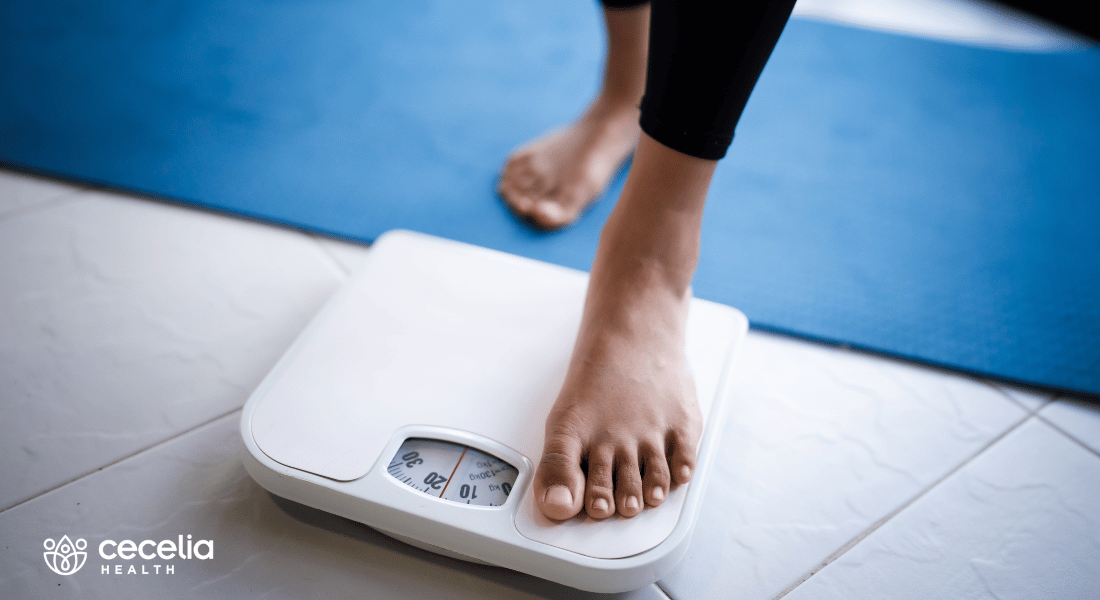
If the number on the scale is your only measure of success, it’s easy to feel discouraged. But weight is just one piece of the picture.
Pay attention to other signs of progress:
- Increased strength or endurance
- Better sleep
- Improved energy levels
- Clothes fitting differently
- Health improvements
These “non-scale victories” can keep you motivated when the scale isn’t moving much.
Revisit Your Habits, Not Just Your Goals
When progress slows, many people double down on extreme diets or intense workouts. That usually backfires.
Instead, take a step back and review your daily habits. Are you still consistent with your nutrition? Has portion creep snuck in? Are you moving as much as you think?
Small adjustments—like tightening up your routine or increasing daily activity—are often more effective than drastic changes.
Set Short-Term, Achievable Goals
Long-term goals like “lose 30 pounds” can feel overwhelming, especially during a plateau. Breaking that goal into smaller, manageable steps can help you stay focused.
For example:
- “Hit my protein target every day this week”
- “Walk 8,000 steps daily”
- “Work out 3 times this week”
Achieving these smaller goals builds momentum and gives you regular wins to stay motivated.
Build Discipline, Not Just Motivation
Motivation comes and goes—it’s unreliable by nature. Discipline, on the other hand, is built through repetition.
Creating a simple routine you can stick to—even on low-energy days—is key. This might mean having go-to meals, a set workout schedule, or a consistent morning habit.
When your actions become automatic, you don’t have to rely on feeling motivated to stay on track.
Take Progress Photos and Track Measurements
Sometimes your body is changing even when the scale isn’t. Taking photos and measurements every few weeks can reveal progress you might otherwise miss.
Fat loss, muscle gain, and body re-composition don’t always show clearly on the scale, but they do show visually over time.
Manage Stress and Sleep
Stress and poor sleep can significantly impact weight loss. They affect hunger hormones, energy levels, and decision-making.
If progress has slowed, consider whether you’re getting enough rest and managing stress effectively. Improving sleep quality alone can make a noticeable difference.
Remember Your “Why”
When motivation fades, reconnecting with your reason for starting can help you push through. Whether it’s improving your health, feeling more confident, or having more energy, your “why” matters.
Write it down, keep it visible, and remind yourself of it regularly.
Slow progress isn’t the end of your journey—it’s part of it. The key is to stay consistent, adjust when needed, and focus on habits rather than quick results.
Weight loss is less about speed and more about sustainability. If you keep showing up, even when progress feels slow, results will follow.