If you’ve heard that today’s popular GLP-1 medications like Ozempic®, Wegovy®, and Mounjaro® come from lizard saliva, you’re not alone. It’s one of the most common myths surrounding these medications. While there is a fascinating connection to a lizard, the medications people use today are not made from lizard saliva.
Here’s the science behind the story.
The Origin of the GLP-1 Discovery
GLP-1 stands for glucagon-like peptide-1, a hormone naturally produced in the human intestine after eating. Its job is to help regulate blood sugar by stimulating insulin release, slowing stomach emptying, and signaling fullness to the brain.
Scientists have studied GLP-1 for decades because of its potential to treat type 2 diabetes and obesity. However, one major challenge quickly became apparent: the natural human GLP-1 hormone breaks down in just a few minutes. That makes it impractical as a medication because it would disappear from the body almost immediately.
Researchers needed a version that would last much longer.
Enter the Gila Monster
The breakthrough came from an unlikely source—the Gila monster, a venomous lizard native to the southwestern United States and northern Mexico.
In the early 1990s, scientists discovered that the Gila monster’s saliva contained a peptide called exendin-4. This molecule closely resembles human GLP-1 but is naturally resistant to rapid breakdown in the body. Because it remains active much longer, it became an ideal template for developing new diabetes medications.
This discovery eventually led to the development of exenatide, the first GLP-1 receptor agonist approved for treating type 2 diabetes.
Are Today’s GLP-1s From Lizard Saliva?
No.
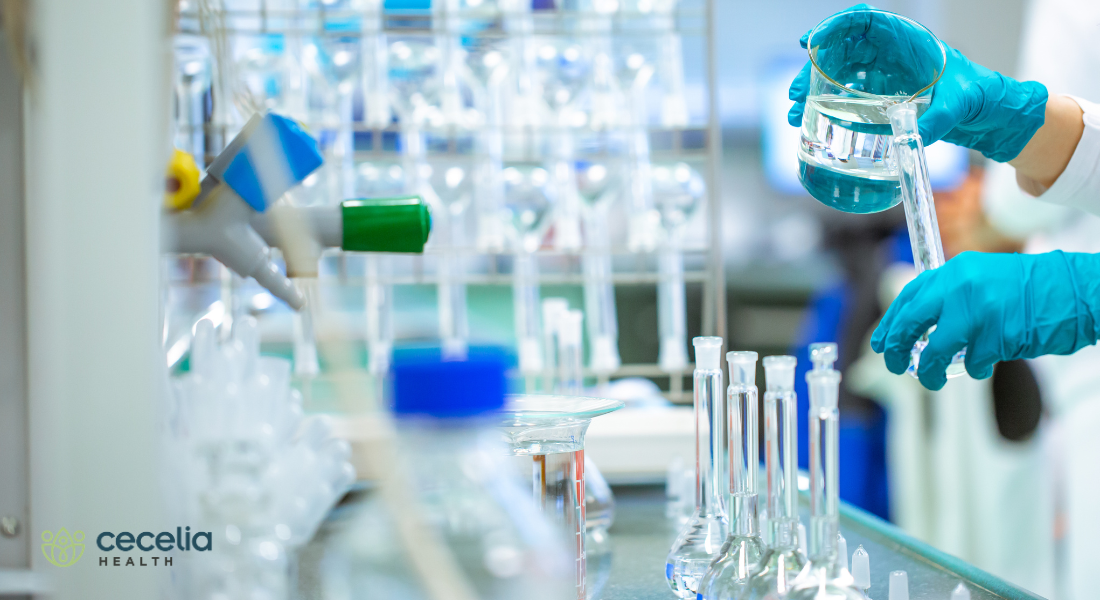
Although the original inspiration came from exendin-4 found in Gila monster saliva, modern GLP-1 medications are manufactured in laboratories using advanced biotechnology. They are not extracted from lizards, nor do they contain lizard saliva.
Today’s medications are produced through sophisticated pharmaceutical processes, including recombinant DNA technology and peptide synthesis. Scientists have modified these molecules to improve their effectiveness, extend how long they last, and reduce dosing frequency.
For example:
- Ozempic® and Wegovy® contain semaglutide, a synthetic molecule designed to closely mimic human GLP-1 while remaining active for about one week.
- Mounjaro® contains tirzepatide, which activates both GLP-1 and GIP receptors to improve blood sugar control and support weight loss.
- Zepbound® also contains tirzepatide and is approved specifically for chronic weight management.
These medications were inspired by decades of scientific research—not harvested from reptiles.
Why the Myth Persists
The “lizard saliva” story is memorable, so it often gets repeated without the full context. News headlines and social media posts sometimes simplify the history by saying GLP-1 drugs “come from lizard venom” or “are made from lizard saliva.”
While this statement contains a small grain of historical truth, it paints an inaccurate picture of modern medicine.
A better way to think about it is this: the Gila monster provided the scientific clue that helped researchers develop an entirely new class of medications. Much like how nature has inspired countless medical discoveries—from penicillin to aspirin—the original biological discovery served as a starting point rather than the finished product.
The Bottom Line
The idea that GLP-1 medications come from lizard saliva is more myth than fact.
Scientists did discover an important molecule in the saliva of the Gila monster that helped launch GLP-1 drug development. However, the medications prescribed today are highly refined, laboratory-manufactured compounds designed to mimic or improve upon the body’s natural GLP-1 hormone.
So, while you can thank a remarkable desert lizard for inspiring an important scientific breakthrough, you can be confident that your GLP-1 medication was created using modern pharmaceutical science—not collected from lizard saliva.