
February is designated, National Heart Month; let’s celebrate! But what would a celebration be without some good food, right?! If you are a beginner to heart healthy eating (or maybe you are a pro and just interested in some variety and new recipes) in this article we will learn about what to avoid and what to include in your eating plan to give your heart a little extra TLC.
What to avoid for heart healthy eating
Sodium
According to the American Heart Association (AHA), “eating less sodium can reduce your risk for high blood pressure, fluid retention, heart disease, stroke, kidney issues, osteoporosis and cancer.” The average American consumes over 3,400 mg of sodium per day. Your healthcare provider may have a specific sodium guideline they recommend depending on the individual patient; however, in general, it is recommended to consume less than 2,300 mg a day.
One of the biggest sources of salt and sodium in our diets comes from restaurant food and packaged or processed foods. Reducing the times you eat out, cooking more from scratch and using herbs, pepper, garlic and onion to flavor your food instead of salt are a few ways to significantly decrease your sodium intake. Click here for more tips on how to avoid salt/sodium!
Trans and saturated fats
There has been a lot of information around which fats one should or shouldn’t eat published over the years. We know that trans fats can increase the risk of heart disease and stroke, while saturated fats can increase levels of LDL cholesterol. LDL is a type of cholesterol that also increases risk of heart disease and stroke when levels are elevated. Lowering your intake of foods high in trans and saturated fats may, therefore, reduce your risk of these conditions.
Trans fats are often found in fried foods and some baked goods such as, doughnuts, frozen pizza crust, cakes, cookies as well as margarine and other spreads. Saturated fats are naturally found in animal products like beef, pork, poultry, and certain dairy products like butter and sour cream. The AHA recommends limiting intake of these fats.
What to include for heart healthy eating
Fresh fruits, vegetables and herbs
Increasing one’s intake of fresh produce like fruits, veggies and herbs have multiple health benefits. These foods tend to be high in fiber which can help with digestion and feeling satiated. This may help curb cravings of the other not-so-good-for-you foods. Using herbs in cooking can also help add flavor to the food and decrease the need for salting the food for flavor. Certain fruits and vegetables like apples, papaya, and avocado can even help lower bad cholesterol levels and increase good cholesterol levels! Not to mention, fruits and vegetables are full of important nutrients like vitamins and minerals. Aim to include a variety in your diet with fruits and vegetables from all the colors of the rainbow!
Fish
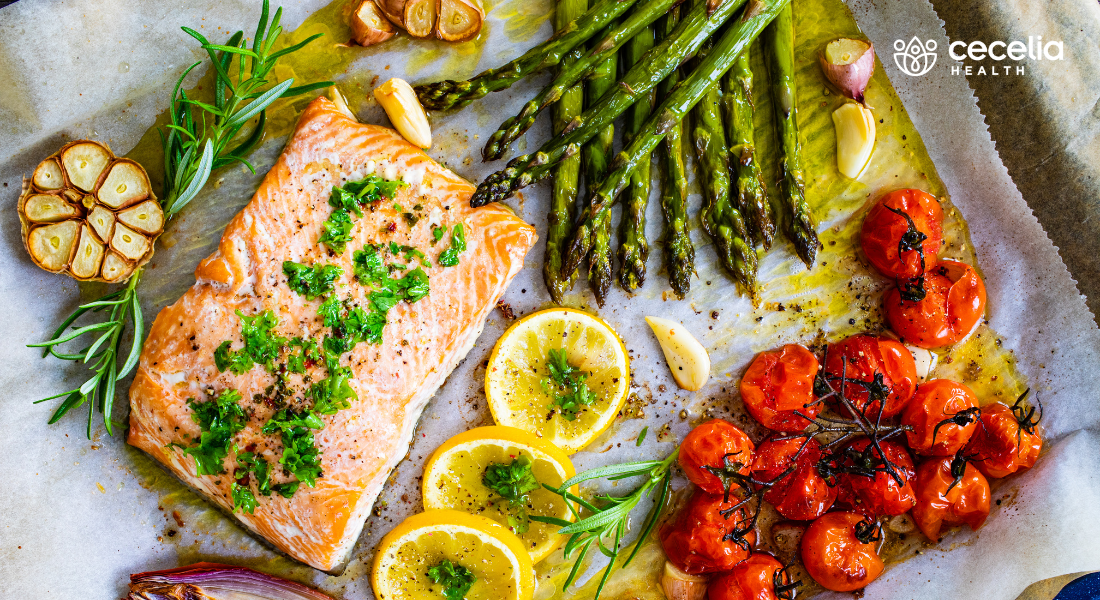
Research has shown that the omega-3 fatty acids have a significant impact on improving cardiovascular health. It is a nutrient commonly found in fish and seafood that is important for a number of the body’s functions. The AHA recommends eating fish or shellfish twice a week – not fried, of course! Consider trying this heart healthy fish stick recipe that the whole family will enjoy!
Nuts and seeds
You have probably heard of the heart benefits of some nuts like walnuts, almonds, and pistachios. This is partially because nuts and seeds are also a rich source of omega-3s, like fish! Enjoy them as a convenient snack on-the-go but pay close attention to portion sizes. A serving is considered to be a small handful of nuts or 2 tablespoons of nut butter. Nuts and seeds are delicious on their own or sprinkled over a salad. You can also try dipping apples and celery in your favorite nut butter!
Fun tips on how to start cooking healthier for your heart
Here a few fun tips to make heart healthy adjustments to your meal plan:
- Meatless Mondays – Meatless Mondays is a global movement that started in 2003 to encourage people to reduce meat in their diet by not eating meat one day a week. Try substituting a nice salad as your main dish or search the web for Meatless Monday recipes and give it a shot!
- Try a new appliance – Air fryers, slow cookers and instant pots are just a few appliances that can deliver delicious results without frying! You can find heart healthy recipes to use with each of these appliances on the AHA website, here.
- Experiment with a new recipe – Sometimes we all need to switch it up with something new. Try heart healthy recipes from the AHA website or go to your local library and look for heart healthy cookbooks to get those culinary juices flowing!
- Find a partner – Share with family and friends about National Heart month and see if they would like to join you in your celebration! Maybe even take to social media and get the National Heart month conversation going to inspire those around you!