
Vaping is often marketed as a “safer” alternative to smoking cigarettes. But as more research comes to light, it’s becoming clear that vaping poses its own set of serious health risks, especially when it comes to your lungs. Whether you’re a teenager trying it for the first time or an adult switching from smoking, it’s important to understand how vaping can affect your respiratory health.
What Is Vaping?
Vaping involves inhaling aerosols, commonly known as vapor, generated by an electronic cigarette (e-cigarette) or similar device. These devices heat a liquid called e-liquid or vape juice, which typically includes:
- Nicotine
- Flavorings
- Propylene glycol or vegetable glycerin (or both)
- Other chemicals and additives
While vaping doesn’t create smoke like traditional cigarettes, it still produces fine particles and chemical byproducts that enter the lungs.
How Vaping Affects the Lungs
Lung Inflammation
Studies show that vaping causes inflammation in the lungs, even after short-term use. Chemicals in the vapor can irritate the delicate tissues of the respiratory tract, leading to coughing, wheezing, and chest tightness.
Impaired Immune Response
Vaping reduces the lungs’ natural defense systems. The aerosol damages cilia—tiny hairs that help sweep mucus and harmful particles out of the lungs, making you more susceptible to infections like bronchitis and pneumonia.
Risk of EVALI (E-cigarette or Vaping-Associated Lung Injury)
In 2019, a wave of severe lung injuries linked to vaping shook the U.S. healthcare system. Called EVALI, this condition caused hundreds of hospitalizations and multiple deaths. Vitamin E acetate, often found in THC-containing vaping products, was identified as a major culprit, but not the only risk factor.
Long-Term Damage Still Unknown
Since vaping is relatively new, its long-term effects are still being studied. However, early research suggests that regular users may develop chronic bronchitis, reduce lung capacity, and increase risk of asthma and COPD-like symptoms.
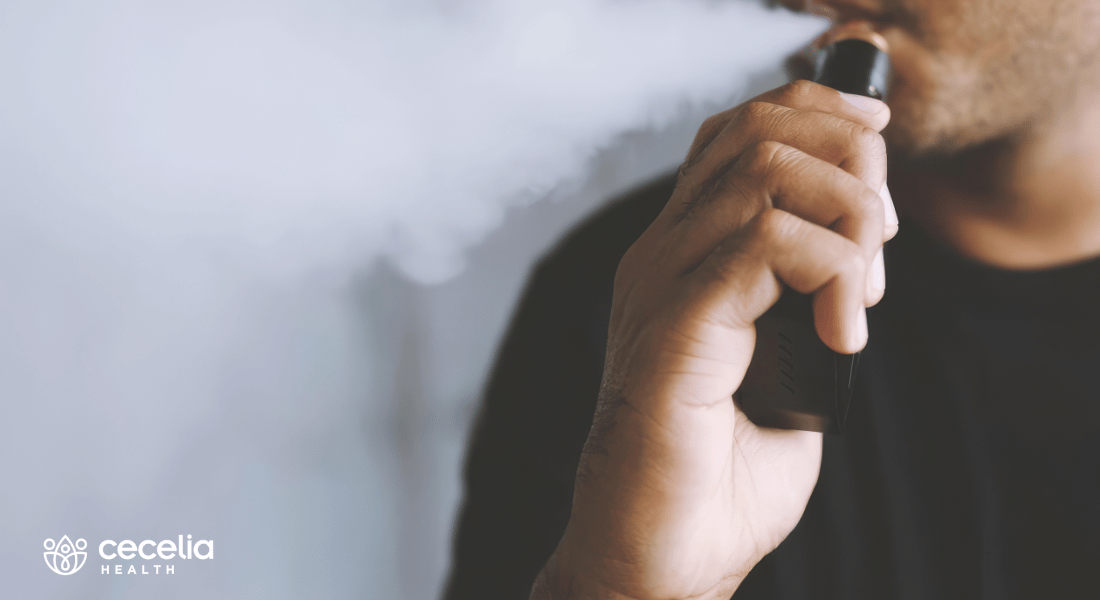
Youth and Vaping: A Growing Concern
According to the CDC, over 2 million U.S. middle and high school students reported using e-cigarettes in 2023. Youth are especially vulnerable because their lungs are still developing. Nicotine can also harm brain development, increase addiction risk, and affect attention, learning, and mood.
Safer Than Cigarettes? Not Necessarily
While vaping may expose users to fewer toxic substances than traditional smoking, “less harmful” does not mean “safe.” Vaping still delivers addictive nicotine and harmful chemicals, and, unfortunately, many users end up using both cigarettes and e-cigarettes, doubling their exposure.
The Bottom Line
Vaping is not harmless. Though often marketed as a safer alternative to smoking, e-cigarettes still pose serious health risks, especially to the lungs. If you’re trying to quit smoking, speak to a healthcare provider about proven cessation tools like nicotine patches, medications, or counseling.
Your lungs are built for clean air. Not vapor.
This information is not intended as a substitute for professional medical care. Always follow your healthcare professional’s instructions.