
In years past, deciding to use an insulin pump was a commitment to frequent blood glucose fingersticks (4 – 10 times a day was not unusual), counting carbohydrates like a professional, and, overall, a major change of lifestyle as adoption of unique activities became the norm to optimize the insulin pumping experience. Well, we’ve come a long way. Today’s insulin pumps are not your parents’ insulin pump. Insulin pumps today have migrated to a smarter use of technology for a true improvement in the quality of life for those who choose to use them.
What is and why choose an insulin pump?
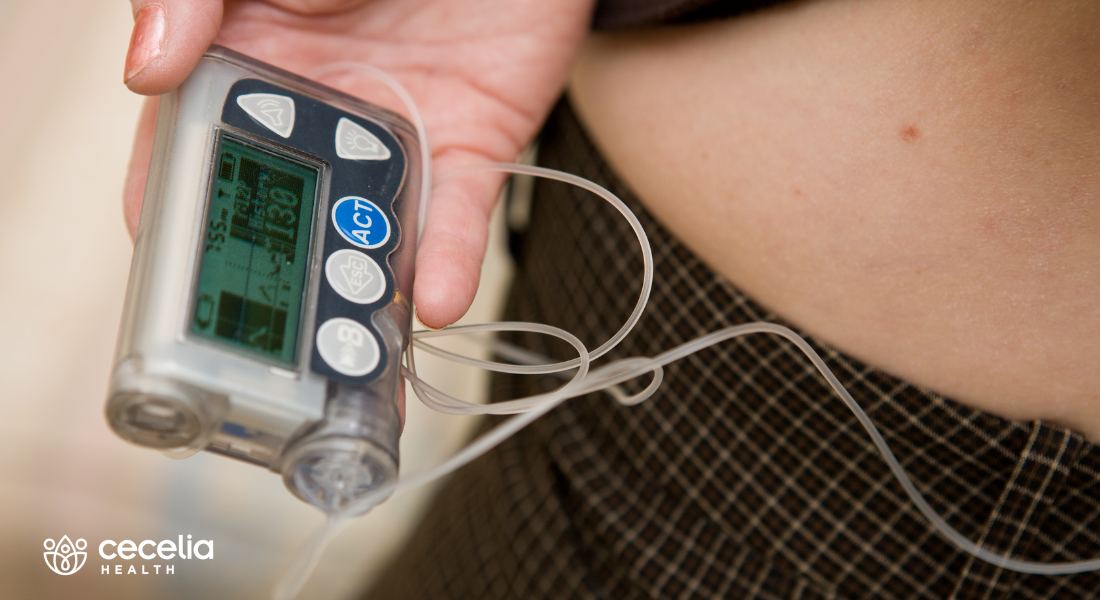
For more information on insulin pumps, check the blog “Good to Know: Continuous Insulin Infusion. An insulin pump is an insulin delivery device. There are traditional insulin pumps that tend to support the pump user by “calculating” needed insulin based on individual input and programmed rates (carbohydrate ratios, insulin sensitivity factors, insulin duration, and blood glucose values). For many, it’s a major learning curve. Newer generation insulin pumps are different; today’s insulin pumps are automatic insulin delivery or AID pumps. Pumps are still programmed with basic information in the beginning, but the AID insulin pump begins “learning” as the pump is worn.
The AID insulin pump includes:
- An insulin pump system that delivers insulin into the pump user in small amounts continuously. The insulin pump system may allow the pump user to enter events into the AID pump system via the actual insulin pump or via a smart device such as a cell phone or smart watch. A list of acceptable smart devices and/or watches can be found on the AID insulin pump’s website.
- A Continuous Glucose Monitor (CGM) provides real-time glucose readings every few minutes 24-hours a day. The CGM is specific to the AID pump system – you must use the approved CGM(s) for the chosen AID pump system. The approved CGM(s) can be found on the AID insulin pump’s website.
- A sophisticated set of instructions called an algorithm analyzes glucose levels from the CGM and the pump user’s entered daily events, e.g., meals and activity. The AID pump system then automatically adjusts the insulin infusion rates to the body. Every AID pump system has a unique group of algorithms.
About the algorithms
The algorithms are truly the “magic” that makes AID insulin pumps adjust insulin rates. All insulin pumps are designed to deliver precise doses. The algorithms enhance the timing of insulin delivery to the everyday glucose fluctuations. When you enter a meal event, the insulin pump uses a different algorithm as it expects glucose is going to go up from a meal. When you enter an increase in activity, the insulin pump uses a different algorithm as it expects the glucose is going to go down from that activity.
The algorithms also analyze trends which allow the AID pump system to “learn” and improve from the experiences of the user. This learning enables the AID pump to do a lot of the complicated thinking that many people with diabetes don’t understand, may not want to learn, or are simply tired of dealing with. While it looks like magic, it’s technology doing what it’s supposed to do: following instructions, learning, and creating desired outcomes.
While all insulin pumps are designed to deliver insulin, algorithms enhance the precision and timing of insulin delivery, particularly in response to fluctuations in glucose levels. These “smart” pumps strive to reduce the burden of continuous decision-making for the person who uses insulin. They do not replace diabetes medical care of the provider, but they certainly advance diabetes management in a positive way.
How AID insulin pumps benefit the user
As a diabetes education specialist, I find more people concerned about high blood glucose levels than low. I admit, while high glucose levels are genuinely undesirable, they don’t usually trigger an immediate emergency. In contrast, glucose is the only fuel the brain can use. A low blood glucose can occur quickly, and if not recognized and treated, can rapidly become a medical emergency. Having technology that can slow down or interrupt the flow of insulin and prevent a low glucose event is a good thing.
Most people living with diabetes can report times when blood glucose levels were higher than expected. While the tendency is to just “take more insulin” that may not be the best choice. Once a dose of insulin is injected, it only does one thing — lower glucose. If whatever was pushing glucose up, suddenly goes away, that insulin you injected is still at work. AID insulin pumps deliver insulin slowly and therefore can slow down insulin delivery when glucose levels correct.
Additionally, AID insulin pumps that modulate or interrupt insulin delivery to return the user to a healthy target glucose range will also return to their normal insulin delivery operations as glucose levels normalize.
While the pump user is expected to enter key events, e.g., meals, most of what the AID pump does requires little or no user action.
Quick facts and tips about AID insulin pumps
No two AID insulin pump algorithms are the same
One algorithm may work better for you than another. The only way you can learn this is by wearing an AID pump and assessing success with your healthcare provider. (Good to know: insulin pumps typically have a 90-day “trial” period. Know the company’s policy.)
Other required supplies
The AID insulin pump requires wearing an insulin pump and a continuous glucose monitor. Also, the user events that support the AID pump learning in some algorithms may involve a smart phone or watch with a dedicated AID insulin pump app. Are you prepared to buy a new phone if your cell phone is not on the approved smart device list?
While the individual parts don’t have to talk with each other 100% of the time, separations should be minimal. That means these devices need to “stick together” to be a system. Where will you wear your CGM, how/where will you wear the insulin pump, and are you prepared to carry the smart device with you if you don’t have controls actually on the insulin pump?
Insurance coverage
Will insurance cover the AID insulin pump, and the replacement parts? Infusion sets, reservoirs and/or cassette cartridges are prescribed to be replaced every two to three days. Insurance needs to cover these supplies also.
Does insurance have a “preferred” AID system? Is it a medical expense or a pharmacy expense? Some AID pumps are considered a pharmacy benefit, and others are considered durable medical equipment and a medical benefit. Be mindful of your out-of-pocket expense for the AID pump system. (NOTE: If you’re interested in a specific AID pump system, let the insulin pump company know and they will help navigate the insurance maze.)
Technology
All technology receives updates to that technology. How will updates affect the AID insulin pump and, more importantly, the AID pump user’s experience?
Using an AID insulin pump still requires an injectable insulin back up. Sometimes technology fails. The dependency on insulin doesn’t go away. Always be prepared.
Keep realistic expectations
Yes, the AID insulin pumps are impressive. It is important to have realistic expectations. The AID insulin pumps are not an “artificial pancreas.” At this time there is no piece of technology that works as well as a healthy pancreas.
Is an AID insulin pump right for you?
The integration of technology is for the purpose of improving glycemic control, decreasing glucose variability, and reducing some of the burden from the daily demands of the person living with diabetes and using insulin. Life can be complicated making answers challenging (there are many factors that affect glucose levels). Living with diabetes requires education in diabetes, activity, medications, meal planning and other environmental changes that impact blood glucose. AID insulin pumps are another thing to learn and understand.
Is an AID insulin pump a choice for you? That’s a discussion best had between the healthcare provider and the potential AID pump user. The ability to accept wearing a medical device is uniquely the patient’s. If there are questions, the internet may or may not be a suitable resource. Don’t hesitate to reach out to the different AID insulin pump companies or a Certified Diabetes Care and Education Specialist for individual pump information.
This information is not intended as a substitute for professional medical care. Always follow your healthcare professional’s instructions.
Automated Insulin Delivery pump resources