
You may have heard the old adage, “an ounce of prevention is worth a pound of cure.” This saying holds especially true for individuals with diabetes, as the “cure” can often equate to significant expense, loss of time and quality of life. You may be aware that diabetes can lead to conditions such as vision loss, kidney damage and limb amputation, but did you know that these complications are largely preventable! So, if you or your loved one has diabetes here are some of the recommendations for routine preventive care.
Diabetes Specific Preventive Care
Individuals with diabetes are at increased risk of complications and other comorbid conditions; so, it is crucial that they are under the care of a medical professional. If you have diabetes, you should have a check-up once or twice a year or more often as directed by your healthcare provider. At your appointment the provider will likely perform some of the following exams and health screenings:
Height, weight and BMI
Body mass index or BMI is a measurement that is based on height and weight and can help determine if you are at a healthy weight, and if not, provide guidance for what your ideal weight range is.
Hemoglobin A1C
Hemoglobin A1C is a blood test that provides an average of one’s blood glucose for the previous 2-3 months. According to the American Diabetes Association (ADA), “[a]n A1C of less than 5.7 percent is considered normal; 5.7 to 6.4 percent is considered prediabetes; and an A1C of 6.5 or higher indicates diabetes.” A common goal for people with diabetes is to keep the A1C below 7 percent, but your healthcare provider can help you develop a goal that is appropriate for you individually. The ADA recommends having your A1C checked every 6 months if your last A1C was in your target range, or every 3 months when adjusting medication or if your last A1C was not in range.
Blood pressure
When blood glucose levels are elevated, they can damage tissues throughout the body, including the blood vessels. This, along with other factors, increases the risk of high blood pressure for people with diabetes. Blood pressure should be checked at each healthcare visit and can also be monitored at home (click here for a video tutorial).
Kidney testing
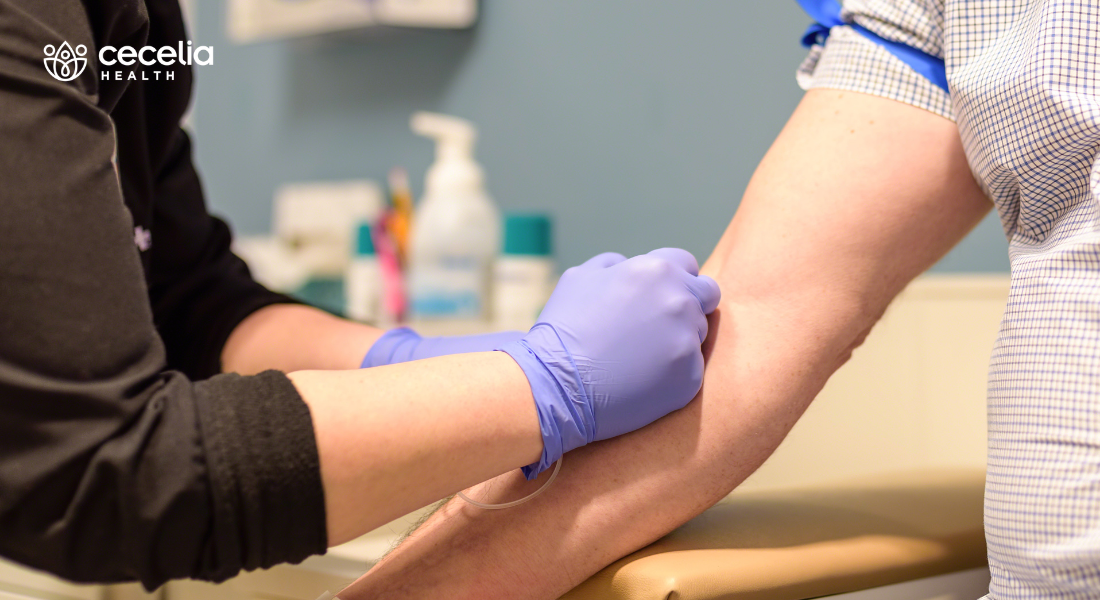
Elevated blood pressure and damage to blood vessels can also lead to kidney damage and failure. Have your healthcare provider check your kidney health at least once a year with a blood test to measure your estimated glomerular filtration rate (eGFR) and a urine test to measure your albumin-to-creatinine ratio (ACR).
Cholesterol and triglyceride tests
Diabetes also increases the risk of elevated cholesterol and triglyceride levels and therefore increases the risk of developing heart disease. Talk to your healthcare provider about how often you should be screened and ways to lower your risk through diet, exercise, and medication therapy.
Foot exam
Decreased circulation in the legs and feet, nerve damage and potential PAD (peripheral artery disease – clogged arteries in the lower extremities) are all common in people with diabetes and can lead to sores on the feet that can be difficult to treat. Healing can take a long time and, in some cases, it may be necessary to amputate a toe, foot, or even the entire leg! Your doctor can test the blood pressure in your ankle to check for PAD and will also order annual foot exams to test circulation, sensation and monitor for any abnormalities. Click here for more information on proper diabetic foot care.
Dilated eye exam
Another potential complication of diabetes is diabetic retinopathy. A condition where the blood vessels behind the eye can become damaged leading to vision loss. It is typical to have a diabetic eye exam every one to two years as recommended by your healthcare provider.
General Preventive Care
For some people it can seem overwhelming to keep up with the appointments and preventive care measures for their diabetes. Take it one step at a time. Ask your healthcare provider where to start and don’t forget to include general preventive measures on your list. Here is a list of some screenings and measures to discuss with your medical professional:
- Bone mineral density. People with diabetes are at an increased risk of hip fractures and osteoporosis. Depending on your individual risks, your healthcare provider may recommend a bone density test to monitor the strength of your bones.
- Cancer screenings. Talk to your medical provider about what cancer screenings you may need including colon, lung, breast and cervical cancer.
- Dental care. Due to the increased risk of infection with diabetes, it is important to schedule regular dental and hygiene appointments.
- It is also important to stay up to date with routine vaccines. Individuals with diabetes are at an increased risk of hospitalization and death from contracting diseases such as influenza, COVID19 and pneumonia. Your healthcare provider will be able to review your vaccine record and determine if you are due.
So, consider scheduling an appointment with your medical provider today to discuss your preventive health!
For more information check out our related blog article “An Ounce of Prevention.”