
,For many people a pregnancy is one of the happiest moments of their lives. Occasionally, however, a pregnancy comes with a diagnosis of gestational diabetes. If you’re not familiar with diabetes, the diagnosis of gestational diabetes can be frightening. While it is cause for concern, do not be afraid. Gestational diabetes is more common than you may realize.
What is Gestational Diabetes?
Gestational diabetes (GDM) isa type of diabetes that appears during pregnancy.
- GDM is caused by placenta hormones. Sometimes, placenta hormones decrease the body’s ability to use insulin properly.
- Failure of insulin to work properly can lead to a lack of blood glucose control. This lack of control leads to high blood glucose or hyperglycemia as blood glucose stays in the blood stream.
- Hyperglycemia during pregnancy can lead to complications for mother and child.
- Up to 9 percent of pregnancies in the U.S. are affected by gestational diabetes every year.
How is Gestational Diabetes diagnosed?
GDM can happen at any point during pregnancy, but it’s more commonly diagnosed between 24 and 28 weeks, or during the second or third trimester.
Most women with GDM don’t experience any symptoms. Usually, a glucose screening test is performed at about 24 to 28 weeks. GDM is screened by a blood test and/or an oral glucose tolerance test (OGTT).
Symptoms of GDM
Women with GDM symptoms often have no symptoms at all; some women with GDM report the following symptoms:
- Frequent urination
- Increased thirst and appetite
- Fatigue
- Blurred vision
- Nausea and vomiting
- Weight loss
- Yeast infections
Women with a greater risk of being diagnosed with GDM
- Women who are overweight
- Women who are physical inactive
- Women with advanced maternal age
- Women experiencing their second or later pregnancy
- Women with a family history of type 2 diabetes
- Women diagnosed with polycystic ovarian syndrome
- Women of color
What happens after a diagnosis of Gestational Diabetes?
When diagnosed with GDM, the pregnant woman can expect:
Medication
While many women with GDM are managed by diet and exercise, some women will require medication(s) for proper glucose management. The goal is to keep blood glucose levels normal.
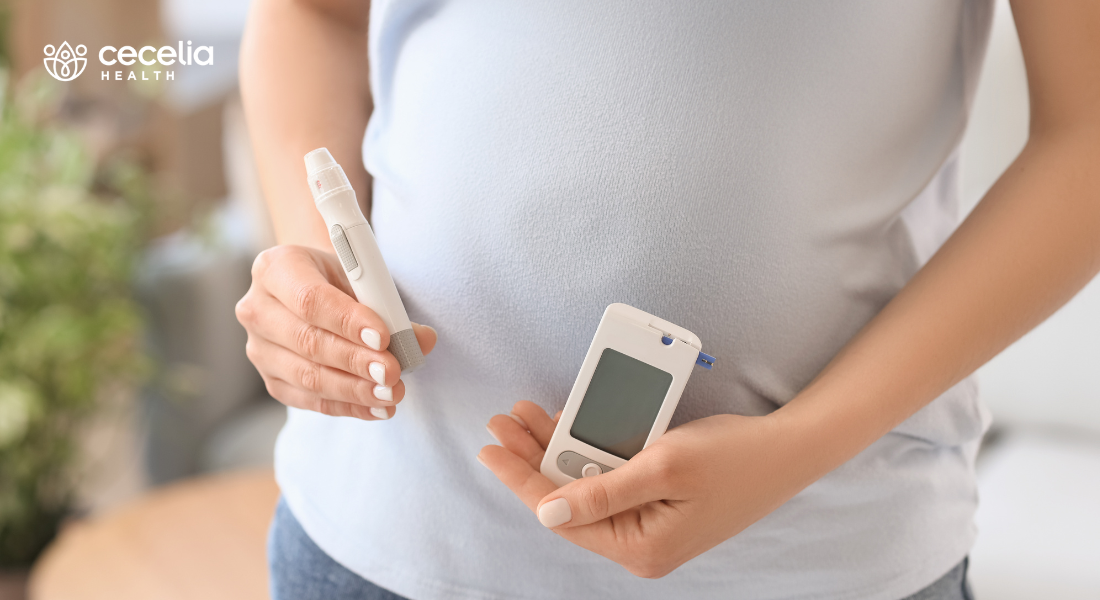
Glucose monitoring
This may be performed by a finger stick glucose or by wearing a continuous glucose monitor. Glucose monitoring targets:
- Before a meal:95 mg/dL or less
- One hour after a meal: 140 mg/dL or less
- Two hours after a meal: 120 mg/dL or less
Urine ketone monitoring
During gestational diabetes (GDM), your body produces ketones, which are excreted in the urine. Presence of ketones in the urine can be a sign your body is not using insulin well.
Diabetes self-management education and support (DSMES)
This may be provided by a diabetes care and education specialist or team. The DSMES team may include a dietitian, pharmacist, nurse, exercise specialist, and others.
The goal for every pregnancy is a healthy mom and baby (or babies). The DSMES team works with the pregnant woman to increase the likelihood of positive outcomes. A pregnant woman with GDM has an elevated risk of pre-eclampsia, GDM with future pregnancies, and more.
When a pregnant woman has high blood glucose levels, the excess glucose crosses the placenta and reaches the developing baby. Although gestational diabetes (GDM) is not associated with birth defects, elevated blood glucose can cause the baby to grow larger than expected before birth. A larger baby may face an increased risk of complications during delivery and after birth, including respiratory distress, hypoglycemia (low blood glucose), hyperbilirubinemia (jaundice), and other health concerns. Additionally, babies born to mothers with uncontrolled GDM are at risk for childhood obesity and type 2 diabetes as they grow.
What are the long-term concerns of Gestational Diabetes?
Most women diagnosed with GDM during pregnancy return to a life of normal blood glucose control after the baby’s delivery.
A woman diagnosed with GDM has a greater risk of developing type 2 diabetes later in life when compared to women who have never had GDM, even if the GDM goes away after the pregnancy. According to the American Diabetes Association approximately 33% of the women diagnosed with GDM will develop type 2 diabetes within five years of the first GDM diagnosis and delivery.
Women can reduce their risk of developing type 2 diabetes by participating in a Diabetes Prevention Program. The goal of the DPP is to learn how to maintain a healthy weight and an active lifestyle.
For more information on Gestational Diabetes: