
Cholesterol is a type of fat that is found in your blood. While some cholesterol is necessary for good health, too much of it can increase your risk of certain health problems including heart disease and stroke, two of the leading causes of death worldwide. But did you know that exercise can help improve your cholesterol levels? Regular physical activity can have a big impact on lowering bad cholesterol (LDL) and increasing good cholesterol (HDL). Let’s take a closer look at how exercise benefits your cholesterol levels and why staying active is so important for your health.
What Is Cholesterol?
Before we dive into the effects of exercise, it’s helpful to understand what cholesterol is. Cholesterol comes in two main types:
- Low-density lipoprotein (LDL): Often called “bad” cholesterol, LDL can build up on the walls of your arteries, causing them to narrow and making it harder for blood to flow through.
- High-density lipoprotein (HDL): Known as “good” cholesterol, HDL helps remove LDL from your arteries. Higher levels of HDL can reduce the risk of heart disease by preventing cholesterol from building up.
When your body has too much LDL and not enough HDL, it increases your risk of developing serious health problems. That’s where exercise comes in!
How Exercise Helps Improve Cholesterol
Regular physical activity can help lower LDL cholesterol while boosting HDL cholesterol. Here’s how:
Increasing HDL Cholesterol
Exercise can raise the level of HDL cholesterol in your blood. Studies show that physical activities like walking, jogging, cycling, and swimming can help increase HDL. The more you move, the better your body can clear away the “bad” cholesterol from your arteries, reducing your risk of heart disease.
Lowering LDL Cholesterol
Exercise can also help lower LDL cholesterol. When you engage in activities like aerobic exercise (for example, running or cycling), your body uses energy from fat stores, which can help reduce the amount of LDL cholesterol in your bloodstream. Regular workouts help the liver process fats more efficiently, making it easier for the body to get rid of excess cholesterol.
Reducing Triglycerides
Triglycerides are another type of fat found in your blood. High levels of triglycerides can contribute to heart disease. Exercise helps lower triglyceride levels, especially when combined with a healthy diet. Aerobic exercises like swimming, walking, or cycling can significantly reduce triglycerides.
Types of Exercise That Improve Cholesterol
Any form of physical activity that gets your heart rate up can help improve your cholesterol levels. Here are a few types of exercise that are especially beneficial:
- Aerobic Exercise: Activities like walking, jogging, cycling, swimming, or dancing can help increase HDL and lower LDL cholesterol. Aim for at least 150 minutes of moderate aerobic activity per week or 75 minutes of vigorous activity.
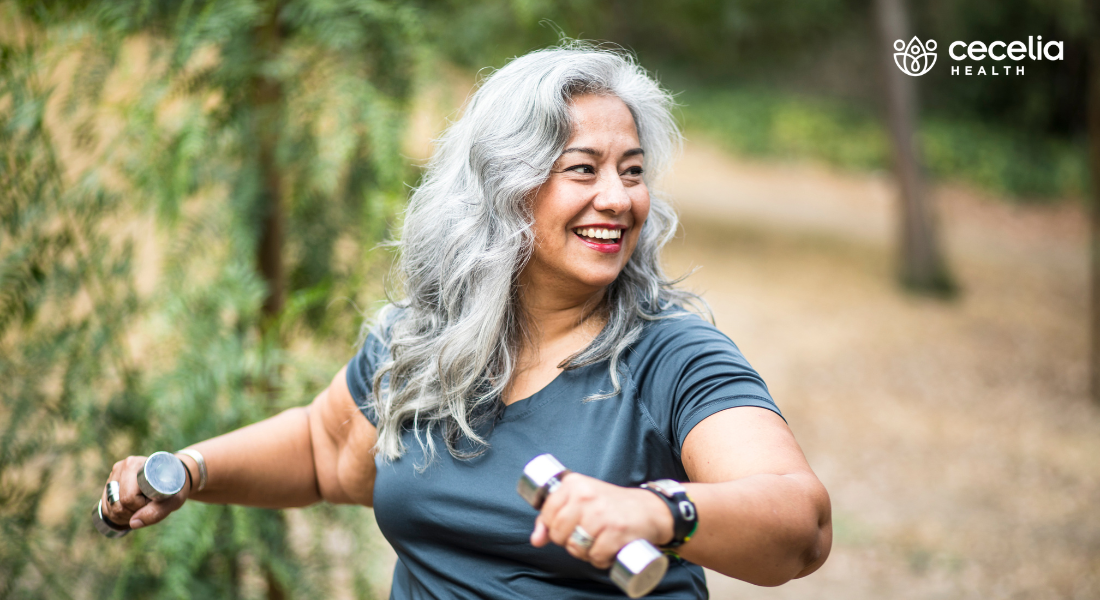
- Strength Training: Lifting weights or doing resistance exercises helps build muscle and can also contribute to better cholesterol levels. Aim for two to three sessions of strength training per week.
- HIIT (High-Intensity Interval Training): Short bursts of intense exercise followed by periods of rest can help improve cholesterol levels. HIIT workouts are especially effective at burning fat and improving cardiovascular health.
How Much Exercise Do You Need?
To see benefits for your cholesterol levels, aim for at least 30 minutes of moderate physical activity most days of the week. Before starting an exercise routine, it is always best to talk with your healthcare provider about what type of physical activity is appropriate for you. If you are new to exercise, start with 10–15 minutes a day and gradually increase your time. The more active you are, the better your cholesterol levels are likely to improve.
Exercise is a powerful tool in improving your cholesterol levels and protecting your heart. Regular physical activity can raise good cholesterol (HDL), lower bad cholesterol (LDL), and reduce triglycerides. Whether you enjoy walking, swimming, or lifting weights, staying active is one of the best things you can do for your health!
For more information, check out our related blog, “Resistance Exercise and its Benefits.”